Quick answer: Cupping uses suction cups to lift the skin and the tissue underneath. This increases blood flow to the area and breaks tiny blood vessels near the surface, which is why it leaves round marks that fade over one to two weeks. Studies suggest cupping may ease some long term muscle and joint pain, such as neck and back pain, for a short time, but most of the research is low quality and there isn’t enough evidence that it helps other conditions. In Traditional Chinese Medicine (TCM), cupping is believed to help qi and blood flow through the meridians.
What is cupping therapy?
Cupping is a traditional treatment in which cups are placed on the skin and held in place by suction. It began in China and West Asia, and it is a common treatment in TCM. Today the cups are usually glass, plastic or silicone, and the suction is made with a flame, a hand pump or by squeezing a silicone cup.
Cupping therapy is a complementary therapy. Use it alongside medical care, not instead of it.
How does cupping help the body?
Researchers are still working out how cupping might ease pain. What is clear is that the suction:
- increases blood flow in the skin and muscle under the cup
- breaks tiny blood vessels (capillaries) under the skin, which causes the round marks
Other explanations, for example effects on nerves, connective tissue or the lymphatic system, are theories that haven’t been proven.
In TCM, cupping is believed to help qi and blood flow through the meridians, and it is traditionally used for pain. These are traditional ideas rather than proven physiology.
What does cupping help with?
Pain. This is where the evidence is strongest, and even that evidence is not very strong. A 2025 review found cupping may reduce chronic neck and back pain straight after treatment, but it didn’t improve how well people manage day to day activities. It isn’t known how long any benefit lasts.
Sport and recovery. Some athletes use cupping for soreness. Small trials report less pain and better movement than no treatment, but most have a high or unclear risk of bias, so reviewers can’t recommend it either way. If you have had surgery, ask your surgeon before having cupping near the area.
Other conditions. Cupping is also used for many other health problems, but there isn’t enough good quality research to know whether it helps. If you have a health condition, keep to the treatment your doctor recommends.
Types of cupping
- Dry cupping: cups are placed on the skin with suction, left for several minutes, then removed.
- Moving (running) cupping: oil or lotion is applied first, then the cup is glided over the area.
- Flash cupping: cups are applied and released quickly, several times in a row.
- Fire cupping: a flame briefly heats the air inside a glass cup, and suction forms as the cup cools on the skin. If it isn’t done carefully it can burn.
- Wet cupping: the skin is lightly pricked or cut before suction to draw a small amount of blood. It carries extra risks, such as infection and, if repeated often, anaemia from blood loss.
What do cupping marks mean?
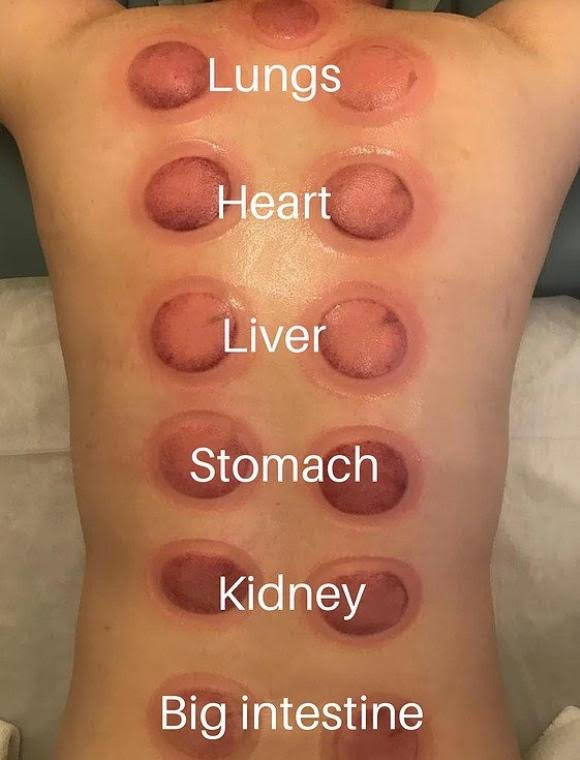
Cupping marks look like round bruises because the suction breaks tiny blood vessels under the skin. They usually fade within one to two weeks, and the area may feel a little sore for a day or two.
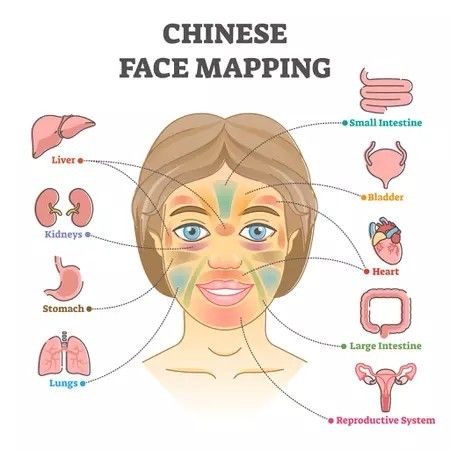
Some TCM practitioners look at the colour of the marks as one clue, together with your history and examination. This is a traditional view, not a proven health test. Stronger suction on its own makes marks darker, and marks also vary from one part of the body to another.
Because the marks can look like bruising from an injury, tell your doctor or nurse about any recent cupping.
Is swelling or bruising after cupping normal?
Bruise like marks and mild soreness are expected, and they fade on their own. Get checked if you have a burn or severe pain, if the marks don’t fade, if blisters are large, or if you notice spreading redness, warmth, tenderness, yellow discharge or a fever, as these can be signs of a burn or an infection.
Side effects and who should avoid cupping
Possible side effects include bruising, soreness, burns, skin infection, scarring, tiredness, headache and nausea, and a few people feel faint during treatment.
Avoid cupping, or check with your doctor first, if you:
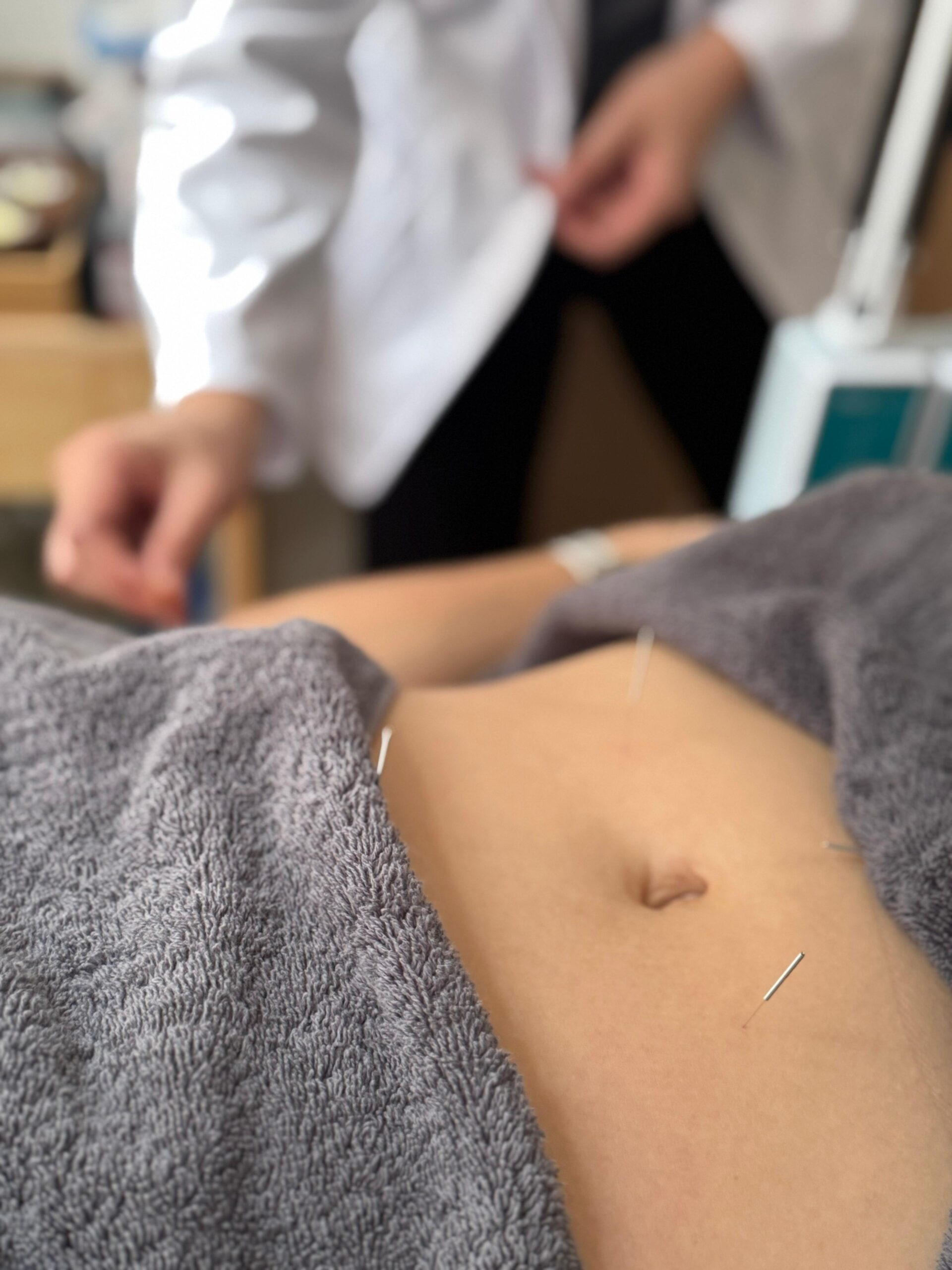
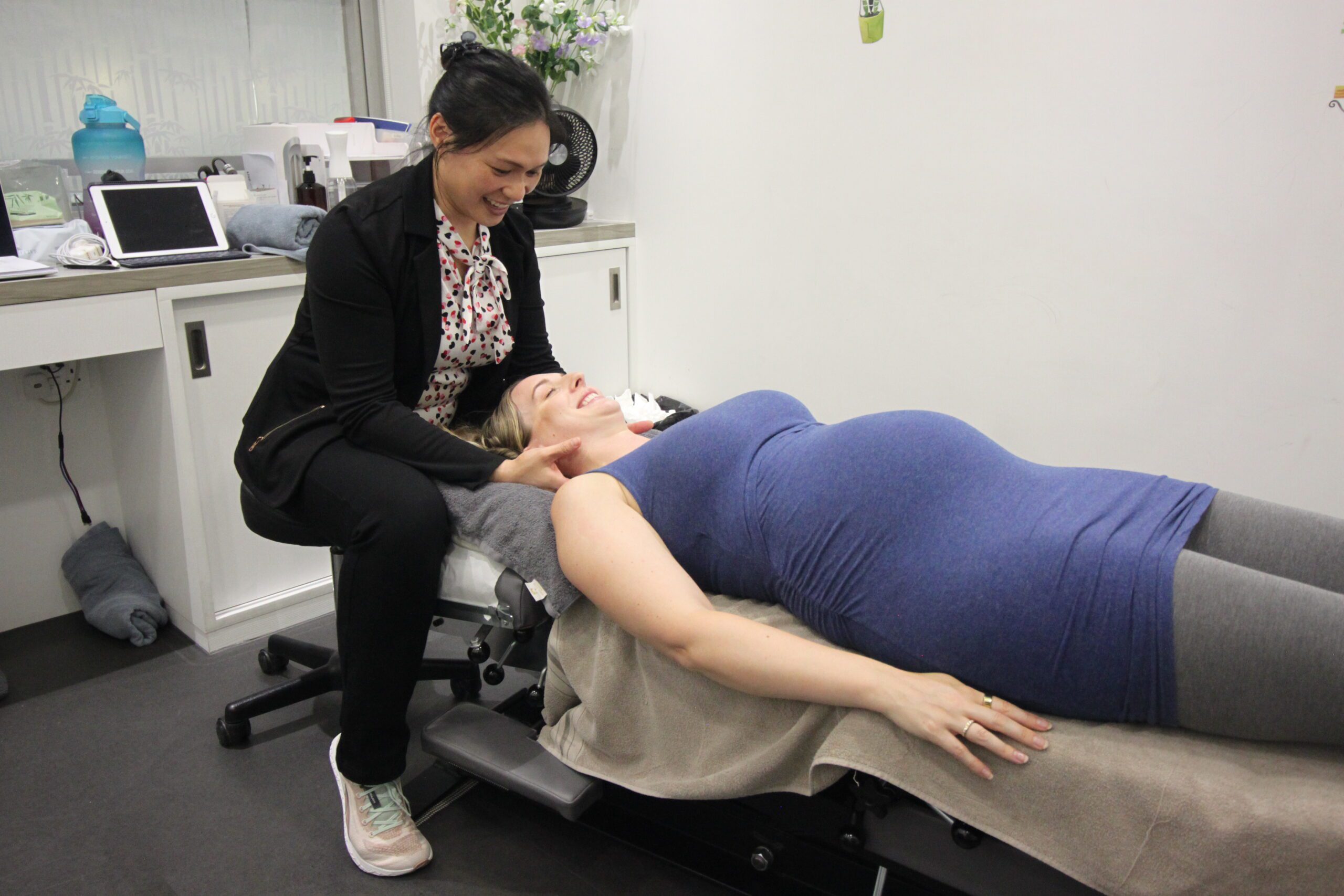
- are pregnant (Cleveland Clinic advises against cupping in pregnancy, and it must never be done on the abdomen or lower back, as this may cause a miscarriage)
- have anaemia, bleed or bruise easily, take blood thinning medicine, or have a clotting problem such as a past deep vein thrombosis
- have had a stroke, have heart disease or a pacemaker, or have epilepsy
- have eczema, psoriasis, broken skin or a skin infection where the cups would go
During treatment, tell your practitioner straight away if you feel dizzy, sick, sweaty or tight in the chest, so they can stop. Rarely, bleeding inside the skull has been reported after cupping on the head: call 999 or go to A&E if you get a severe headache that painkillers don’t help, vomiting, confusion or unusual drowsiness.
Cups must be cleaned and sterilised between clients, because shared equipment can spread infections such as hepatitis B and C.
How often can you have cupping?
There is no standard medical schedule. Your practitioner will plan the timing with you.
Does cupping remove toxins?
Some people believe it does, but there is no good evidence for this. The marks are blood from broken capillaries under the skin, not toxins drawn out of the body.
Is cupping right for you?
If you have long term muscle or joint pain and would like to try cupping, it can be used alongside other care such as exercise and physiotherapy. Tell your practitioner about any medical conditions, medicines and pregnancy before your first session.
Sources
- NCCIH (US National Institutes of Health): Cupping
- Cleveland Clinic: Cupping Therapy
- Jia et al. 2025, BMJ Open: systematic review of cupping for chronic musculoskeletal pain
- Systematic review of cupping in athletes
- PolyU University Health Service: Cupping
- Hong Kong Department of Health, Chinese Medicine Regulatory Office: Chinese medicine treatments (in Chinese)
Want to talk to a TCM practitioner? Our cupping therapy team at Total Health by Hong Kong Sports Clinic sees patients at our Central clinic. Message us on WhatsApp to book a consultation.