At Hong Kong Sports Clinic, clients getting back to running after an ACL injury often ask the question, “Until when should I wait to get back to running?”
Time and test results both matter. Most people start a return to running plan about 3 months after surgery, once they pass the checks below. Getting back to full sport usually takes at least 9 months.
ACL injury is a tear to the ligament in the knee joint connecting the femur and tibia. ACL injury causes pain in the knee and makes it difficult for you to bear weight.
The ACL stops your shin bone sliding too far forward and helps keep your knee stable when you twist or turn. When your ACL is injured as an athlete, it affects your speed and performance.
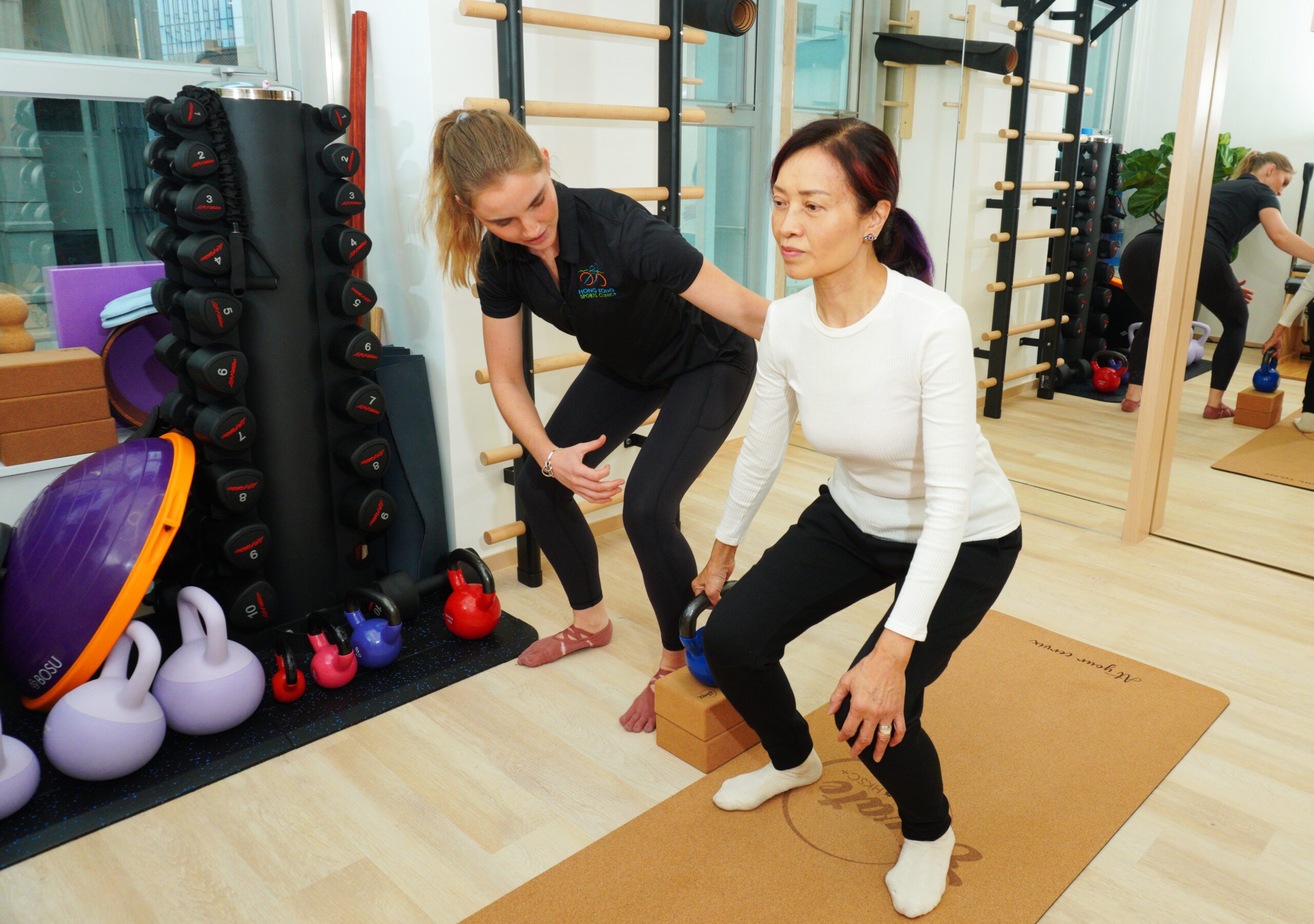
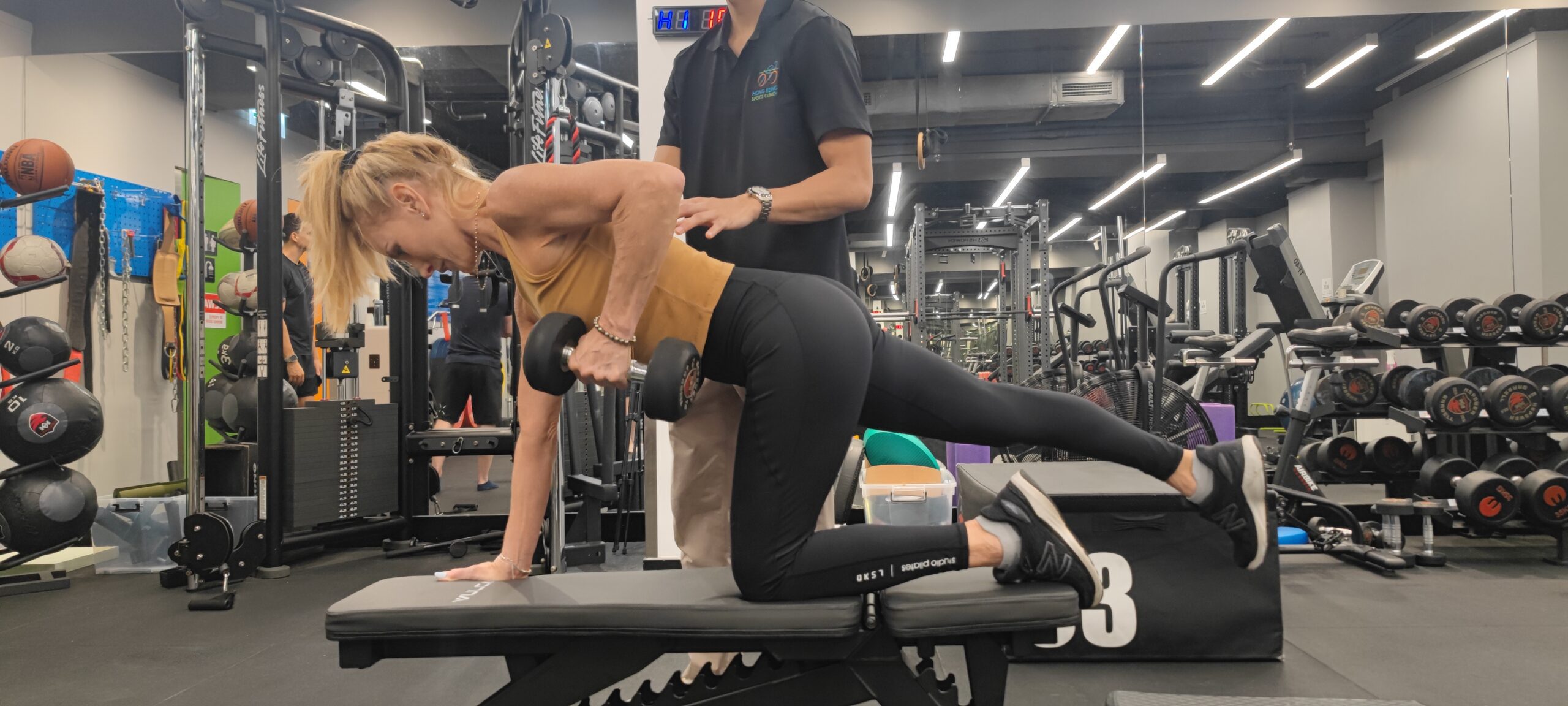
It’s important to continue with a rehabilitation program to safely return to running and prevent re-injury. A rehabilitation program helps recover muscle strength and knee function.
You can safely return to running after getting permission from your physiotherapist. A physiotherapist releases you if you have gained muscle strength and your knee can function properly.
Can You Return to Running After an ACL Injury?
Yes, you can return to running after an ACL injury, but with proper rehab. Returning to running is an important process since you transition from impaired-based exercises to active sports activities like running.
When you return to sports too early, you may be at risk of getting a reinjury, while delaying may reduce your psyche and affect your psychological readiness. Time is crucial when it comes to RTR (Return To Running).
Recovery timeline may vary depending on your response to therapy, your body’s healing process, and muscle strength.
Surgery and non-surgical methods can help in treating ACL injury. Surgical methods involve removing the torn ACL and replacing it with a graft. The graft can be sourced from the hamstring, quads or patellar. Non-surgical intervention involves rehabilitation methods that stabilise the stability and functionality of the knee.
ACL Rehab (ACLR) involve replacing the torn ACL with a graft to reduce movement of the tibia and femur. Graft enhances knee joint stability.
Your surgeon may ask you to wear a brace for the first few weeks. A brace does not replace rehab. A structured rehab programme is what builds a strong, stable knee.
Try also: Traditional Chinese Medicine
When Can You Start Running After ACL Surgery?
Most people start running about 12 weeks after surgery. Time alone is not enough. You also need to pass the strength, movement and pain checks below. Your surgeon and physiotherapist will tell you when you are ready.
Key Requirements Before Returning to Running
To return to running the strength of the injured leg must match that of the uninjured leg by 70%. If you can do 30 step ups and single leg squats at 45 degrees with good knee control then you have enough strength to return to running.
The ability to balance is also a key requirements before returning to running. Your balance test must show 90% match for control for you to be fit to run again.
Vertical and horizontal hop tests are used to assess power. Power of the injured leg must match that of the uninjured leg by 85% to be considered good for running.
Pain free movement makes you feel comfortable while running. Pain in the injured knee should not exceed a 2 out of 10 pain scale score for you to be fit to run again.
Your knee should bend and straighten fully, or at least 95% as far as your uninjured knee. Exercises help your knee movement improve.
Strictly you shouldn’t have an inflamed knee while returning to sports. Swelling indicates underlying issues in your knee.
Psychological readiness is an important requirement before returning to running. You must be mentally ready and have enough confidence to return to high loading activities
Strength, Stability, and Flexibility for ACL Recovery
ACL strength exercises help in improving the strength, stability and flexibility of your knee. ACL strength exercises strengthen muscles around the knee, including the hamstrings and quadriceps, to support the ACL and improve joint flexibility and stability.
Heel slides.
Heel slides help you bend your knee further without putting weight through it. This is a step by step instruction on how to do heel slides.
- Sit on the floor with your knees stretching outward
- Bend the injured knee by sliding your heel across the floor towards you
- Get back to the starting position by sliding your foot back
- Repeat at least 10 times
Prone knee flexion.
- Lie on your stomach on a flat surface with your legs straight
- Bend the injured knee by bringing your heel towards your butt
- Hold this position for at least 5 seconds
- Relax
- Repeat this procedure 10 times.
Isometric Quad contractions.
Isometric quad contraction help in strengthening your quadriceps muscles. This is how to do this exercise.
- Sit on the floor, extend the injured leg and bend the other leg
- Without moving your leg, contract your quadriceps on the injured leg
- Hold for about 10 seconds
- Relax
- Repeat this procedure at least 10 times
What to Expect During Running and Agility
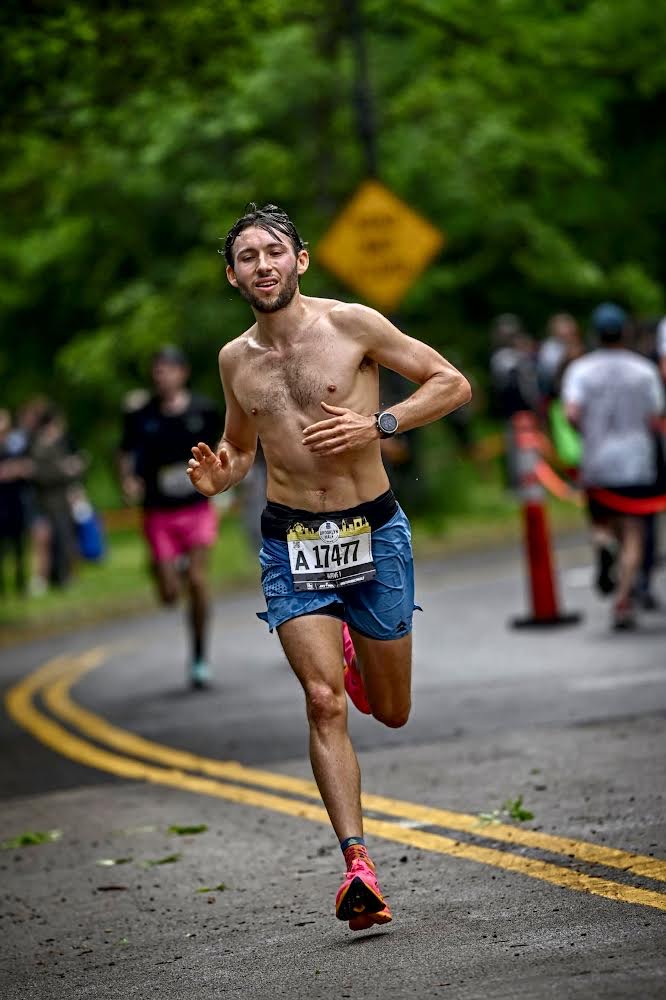
During phase III of ACL recovery, the main focus is to reintroduce you to running, agility and plyometric activities.
At this stage, you are eager to return to your normal running routine, but you still need professional help from your physiotherapist.
This is what to expect while running:
- Your physiotherapist invests time working on your technique and running form. Some parameters may be set to help with equal weight bearing on both feet and avoid tiredness.
- You will learn how to land with your midfoot to improve awareness of how your body moves.
- Expect a light intensity run on soft surfaces. Begin by running for 10 minutes and increase time gradually. Increase the time if you notice no swelling and pain in your knee joint. Strictly stay below a 10% increase in mileage per week.
- You will learn how to speed up. A physiotherapist will train you how to decelerate and accelerate. The purpose of this training is to safely absorb forces while transitioning to the next move.
Your physiotherapist will tell you how often to run and when to take rest days.
Return To Sport Drills.
Return to sport drills are sport-specific activities that duplicate the demands of the sport. These activities help in focusing on your landing and jumping mechanisms.
Shuttle runs
Shuttle runs is running back and forth between two marked lines. For example you can begin by marking at 10 meters then 20 meters.
Shuttle runs aim at testing your speed, agility, anaerobic and aerobic fitness. Still, continuing runners with no injuries can use shuttle runs to evaluate their speed and agility.
How you perform in shuttle runs helps determine your success core during a competitive sports activity through tracking your progress.
All you need during a shuttle runs is a marker, specs and timer. Below is how you do shuttle runs:
- Warm up first
- Set up marks 10, 20 and 30 meters apart respectively
- Sprint from one marker to the other and back.
- Do at least 6 repetitions continuously
- Time your results
- Rest for 5 minutes
- Repeat the same drill.
Important Tips for Safe ACL Recovery
ACL rehab tips will help with recovery and enhance a safe return to activity. Below are important tips for safe ACL recovery:
Dos for a Safe ACL Recovery.
Before surgery, keep your injured knee safe and follow the right procedures to maximise your recovery. Below are dos for a safe ACL recovery.
- Consult your physiotherapist for pre-rehabilitation exercises immediately after you have an ACL injury.
- Use crutches when needed.
- Eat a healthy diet, avoid alcohol and smoking.
- Keep your wound covered for at least 2 weeks.
- Elevate the injured leg with a pillow.
Don’ts for a Safe ACL Recovery.
Recovering from an ACL surgery may take 9 to 12 months. Below are mistakes you should avoid while recovering from surgery.
- Do not avoid therapy.
- Don’t be inactive to the extent of having stiff knees.
- Do not follow programs outside your rehabilitation program.
- Do not engage in activities that make your knee feel unstable
Listen to your body.
Follow your surgeon’s advice on how much weight to put through your leg. Some discomfort is normal. Tell your physiotherapist if your pain is getting worse.
Adjust your workouts to prevent working on the same muscle every day. If you notice pain or too much discomfort during rehab, consult your physiotherapist.
Be Patient.
During recovery, you encounter physical immobility, overdependence on others and physical pain. This may affect your emotions.
At times, you may get frustrated and may doubt your healing process. To boost your patience, set specific goals and celebrate your milestones. If you can bend your knees and walk without crutches, this shows progress and keeps you motivated.
Listen to people who have gone through the ACL recovery to stay encouraged and build momentum.
Mental resilience.
Cognitive behavioural therapy (CBT) can help build your confidence and help you deal with unhelpful thoughts.
During cognitive behavioural therapy, you will work with your psychologist to reframe negative thoughts, decide alternative coping strategies and set realistic goals.
A physiotherapist may use an ACL return to sport after an injury (ACL RSI) to gauge your mental preparedness and tailor your rehabilitation. The ACL-RSI (ACL Return to Sport after Injury) scale measures your psychological readiness.
During recovery, meditate, conduct breathing exercises to manage stress and anxiety. Mindfulness may help you manage stress and anxiety and cope better.
Dealing With Fear of Reinjury.
Fear of reinjury may hinder full physical progression. It’s hard to undergo ACL rehabilitation and recovery alone; you need professional help. A physiotherapist will ensure that you have structures and safe progression.
Keep a diary of your progress. Seeing your improvements can ease fear about your knee and support your recovery.
Gradually expose yourself to progressive rehabilitation programs such as balance exercises, sport-specific drills, and reduce fear and boost confidence.
Visualise yourself performing sports movements. This enhances motor recovery and reduces fear of movement.
Avoid Uneven Surfaces.
Uneven surfaces impact your running biomechanics. Walking or exercising on uneven surfaces may lead to falling or missteps.
Always assess terrain to prevent reinjury..
Training on gentle surfaces like grass can be gentle on your knees.
Communicate With the Medical Team.
Communicating with your physiotherapist helps track your progress. A physiotherapist examines your range of motion and techniques. You can also get new exercise programs that will help in the recovery phase.
Communicating with your medical team boosts your responsibility towards recovery. According to research, increased compliance and responsibility improve your health status, such as knee-related outcomes.
Communication with your medical team to discuss your goals and concerns. Open communication helps in the proper recovery process.
Conclusion
Turning to sports, running does not necessarily rely on time; rather, it demands patience, structured rehabilitation programs, strength, particularly in the quads, hamstrings and glutes and guidance from a physiotherapist.
Need help with this? Our ACL rehab programme team at Total Health by Hong Kong Sports Clinic can assess you and start treatment in your first session, in Central or Kai Tak. Message us on WhatsApp to book.