

Expectant mothers experience fatigue and nausea in early pregnancy, which is almost universal among women. From the moment you see two lines on a pregnancy test, this feeling of nausea often becomes more pronounced and may be accompanied by constipation or irregular bowel movements, leading to discomfort and affecting sleep quality.
Today, I want to share some knowledge about morning sickness to help us better understand the causes of this phenomenon. The exact cause is not fully understood. Pregnancy hormones play a part. Recent research points to a hormone called GDF15, made by the placenta. Sickness is usually worst in the first three months and often eases by 16 to 20 weeks. Some women feel sick for longer.
The hormones estrogen and progesterone also affect gastrointestinal motility, leading to digestive discomfort and fluid retention. For some women, the body’s ability to adjust may be weaker, resulting in ongoing feelings of discomfort.
In Traditional Chinese Medicine (TCM), morning sickness is referred to as “妊娠惡阻”. Classical TCM texts describe herbal formulas for sickness in pregnancy. In TCM theory they aim to warm the stomach and settle nausea. Only take one if your doctor or midwife agrees and a registered Chinese medicine practitioner has assessed you.
TCM practitioners will consider the specific symptoms of each expectant mother to create personalized treatment plans rather than relying solely on a single formula. Many people ask if Chinese medicine is safe in pregnancy. The safety of most herbs in pregnancy has not been well studied, and the UK’s NHS advises against taking herbal medicines while pregnant. Do not take any herbal product in pregnancy unless your doctor or midwife agrees and a registered Chinese medicine practitioner has assessed you. Always tell your doctor or midwife what you are taking. It is crucial to use Chinese medicine under the guidance of a qualified practitioner, as they will tailor the prescription based on the symptoms, herbal combinations, dosages, and forms of administration.
I hope this information helps everyone better understand the discomforts that can occur during pregnancy, and that you find suitable relief methods under professional guidance. Take care of yourselves to ensure a more comfortable pregnancy!
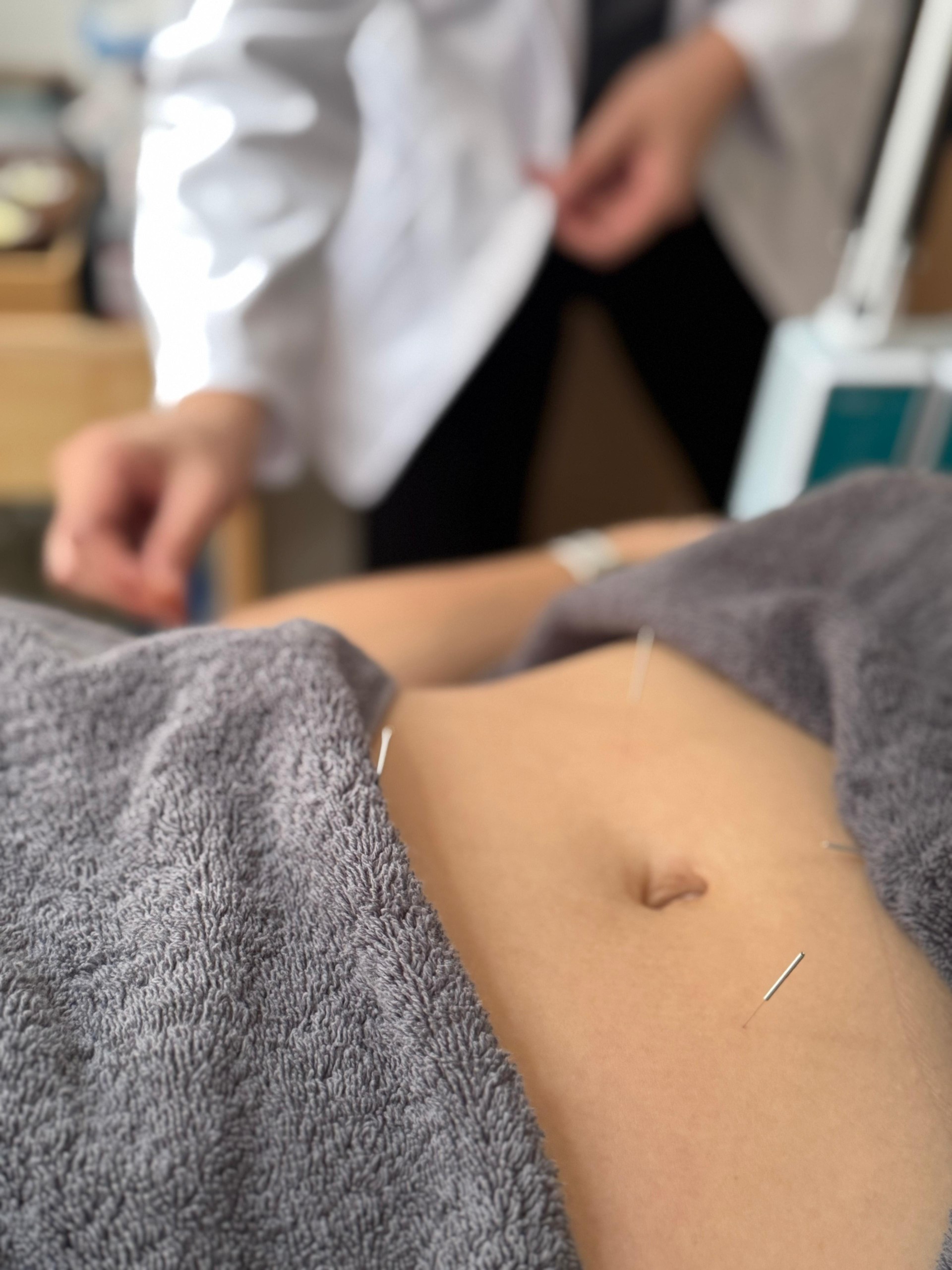
Some women find wrist acupressure helps, and there is some evidence for it. Evidence for acupuncture, moxibustion and craniosacral therapy in pregnancy sickness is weak. They should not replace medical care if your sickness is severe.
When to get medical help
Contact your doctor, midwife or antenatal clinic the same day if you:
- have very dark pee or have not peed in 8 hours
- cannot keep food or fluids down for 24 hours
- feel very weak, dizzy or faint when you stand up
- have tummy pain
- have a high temperature
- vomit blood
- are losing weight
If you cannot reach them and feel very unwell, go to A&E. Doctors can prescribe anti-sickness medicines that can be used in pregnancy. Getting help early helps prevent dehydration.
We also have a long list of services specifically designed to help women in maternity and other stages of life. You can find them here.
Need help with this? Our TCM for women’s health team at Total Health by Hong Kong Sports Clinic can assess you and start treatment in your first session at our Central clinic. Message us on WhatsApp to book.