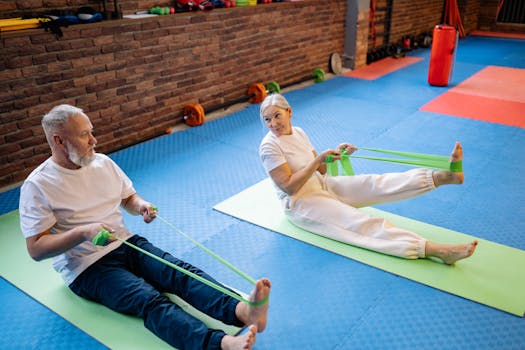

This blog will explain in detail the top five personal training techniques that can help you lose weight. These methodologies are backed up by science and widely used by fitness professionals. Used regularly, alongside a healthy diet, these methods can help you burn more calories and work towards your goals.
Losing weight doesn’t only involve physical activities but also emotional and mental milestones for successful weight loss. Many people find it hard to lose weight and keep it off.
To lose weight you require a combination of efficient exercise techniques, a positive mindset and a proper nutrition or diet.
To help in your weight loss journey,a personal trainer will guide and motivate you towards attaining your goal on losing weight. Your trainer will specialize on strategies that focus on maximizing calorie burn, increasing metabolism and developing lean muscle mass.
1. High-Intensity Interval Training (HIIT)
What is HIIT?
The High-Intensity Interval Training (HIIT) method of weight loss alternates between short bursts of intensive exercise and some brief periods of rest or low-intensity activity. A complete high-intensity interval training lasts from 15 to 30 minutes, which makes it more convenient if you have busy schedules.
e workouts though brief, are designed to increase both your aerobic and anaerobic body metabolism. It is hard work, so build up to it gradually. If you have not exercised for some time, or have a heart condition, high blood pressure, diabetes or another health condition, speak to your doctor first.
How HIIT Promotes Weight Loss
The effectiveness of (HIIT) lies in its ability to advance your heart rate quickly and keep your muscles energized throughout the workouts. The body in return, taps into energy reserves, burning lots of calories in a short period. HIIT also raises the calories you burn for a while after the workout. HIIT causes your body to enter a state referred to as, Excess Post-exercise Oxygen Consumption (EPOC), commonly known as “after-burn effect”. This afterburn is small, so most of the calories are still burned during the workout itself.
The effectiveness and suitability of HIIT for weight loss is that it can be tailored to your fitness level. This applies to experienced athletes or beginners in this profession, their trainers can adjust the intensity and the duration of exercise without overwhelming their bodies. This concept also helps one preserve muscle mass, which is crucial for sustaining a high metabolism during weight loss exercise. You can find more information about weight loss exercise on Hong Kong Sports Clinic.
Types of HIIT Workouts
Depending on personal goals and preferences, HIIT can be structured differently to suit you. We will discuss some popular formats that personal trainers may apply to promote weight loss, which can also be applied to personal training sessions.
- Tabata: This type of HIIT workout, involves 20 seconds of all-out effort which is followed by 10 seconds of rest. The process is repeated for eight (8) rounds. This method is ideal and fit for exercises like cycling, sprinting or body-weight movements such as burpees and jump squats.
- Pyramid HIIT: This is a progressive exercise that aims to increase the intensity and resilience of the body muscles, constantly burning fat and calories. This could be followed by a return to fewer exercises from the start. For example, you might start with a 15-second sprint, followed by 30 seconds, 45 seconds, and then back down to 15 seconds.
- Circuit HIIT: This form of exercise combines multiple exercises into a circuit format. one might perform 30 seconds of kettlebell swings, 30 seconds of jump squats, and 30 seconds of mountain climbers, including other exercise not mentioned with short rest intervals between exercises. This form of exercise can be done for a minimum of 20 minutes.
Benefits of HIIT Beyond Weight Loss
While HIIT basically known for its ability to burn fat and calories in the body, it also renders other significant health benefits. HIIT improves the cardiovascular fitness, enhances insulin sensitivity, and therein can reduce the risk and effect of metabolic disorders. The fast paced nature of HIIT also improves the mental focus and resilience, making the practice a great option for those who enjoy challenging themselves to achieve their objectives.
2. Strength Training
The Role of Strength Training in Weight Loss
Also known as resistance training, this mode of training is crucial for long-term weight loss. While cardio exercises are more beneficial for burning calories during the workouts, strength training offers benefits of increasing the rate of resting metabolic rate. This mode of weight loss practice encourages the burn of calories even when one is not exercising.
Strength training involves the use of prepared weights or your own body weight to create resistance. This type of exercise makes your muscles to adapt and grow stronger. As the body builds its muscles, the body requires more energy to sustain these tissues which results in overall high calories burn.
Common Strength Training Myths
A myth surrounding strength training is that it leads building up of muscles especially among women. However, the persons who are consuming a caloric surplus and are engaging in specific body building routines, this mode of weight loss typically results into a learner, more toned physique. Building muscle technique, more efficiently helps one to burn fat. As muscles tissues is metabolically active, it burns more calories than fat tissues in the body even at rest.
Best Strength Training Exercises for Weight Loss
Herein we will discuss the best and most effective strength training exercises that are recommended by personal trainers, these are exercises that engages multiple muscles groups at once also allowing one to burn more calories in a shorter time. This form of training’s and exercise can be well achieved within a compound where there is little of disturbance and creates ample atmosphere for that work.
- Squats: Squat is a rigorous activity that works your quads, glutes, hamstrings and core. Additionally, it adds weight to your squats, such as holding a dumbbell or barbell. This increases the intensity of caloric burn and makes it more effective and interactive. The squats exercise is more engaging and can take place in a common ground level without much costing.
- Push-ups: This is a body-weight exercise that works our chest, shoulders, and triceps. Push-ups can be modified to suit the level of fitness and concentrate to a given body segment. They are perfect mode of exercise that suits anyone since they require no cost on acquisition of equipment.
- Pull-ups: Pull-ups involve hanging on a strong line by hands, where you pull yourself up and down repeatedly. The exercise target the back, arms and shoulders, helping you sculpt a lean upper body. They are readily available with a little cost for setup of a strong frames and its top.
3. Cardio Workouts
The Importance of Cardio for Weight Loss
Cardio (aerobic) exercise is any activity that raises your heart rate and makes you breathe faster, such as brisk walking, running, cycling or swimming. It uses large muscle groups and burns calories, which helps with fat loss. Personal trainers often recommend cardio as an important part of a well-rounded weight loss practice.the practice helps create the calories deficit necessary for shedding pounds which contribute significantly to weight loss.
How Much Cardio is Needed?
The amount of cardio exercise highly depends on your target weight loss to achieve intended fitness level. For general health, adults should do at least 150 minutes of moderate activity or 75 minutes of vigorous activity a week, plus strength exercises on at least 2 days. To lose weight, you also need to eat less and move more. However, personal trainers often recommend increasing these numbers for more remarkable fat loss.
Popular Types of Cardio Workouts
Below, we will discuss some forms of cardio that can be adapted to suit your preferences and fitness level. There are some popular types of cardio exercise that are commonly used in personal training programme.
- Running: This is the most common and effective ways to burn calories, whether on a treadmill or outdoor running. This practice can alternate between sprinting and jogging for at least 30 minutes in a day which significantly boosts fat loss.
- Cycling: Cycling is a low-impact way to burn calories and improve cardiovascular endurance. Whether on a stationary bike or outdoor, it is beneficial for toning the legs and improving joint health.
- Swimming: This is an excellent option since it involves almost every muscle group. It engages the joint tissues, as the water provides some resistance without putting stress on the whole body parts.
How Cardio Combines with Other Training Techniques
While performing the cardio techniques, it is important to combine it with other practices for maximum calories burnout. Personal trainers often recommend combining it with strength training or HIIT for maximum fat loss.
4. Progressive Overload
This is a technique that involves gradually increasing the intensity of workload. Progressively one can add more weights after completion of lesser exercise. This ensures muscles are challenged consistently promoting gains and overall weight-loss and fitness.
Why Progressive Overload is Great for Weight Loss
This form of workouts, continuously burns calories and boosts metabolism. It helps to prevent plateaus and keep muscles engaged. As your strength grown, your body becomes efficient at burning calories.
Progressive Overload Routine Example
When you can do 1 or 2 more reps than your target with good form, increase the weight by about 2 to 10%. For example, if you can bench press 20 kg for 12 good reps, try 21 to 22 kg next time.
5. Circuit Training
What is Circuit Training?
This method combines both strength and cardio exercises into a sequence also referred as a “circuit”. it combines at least 6-10 exercises performed one after another with minimal rests between the exercises. The goals of circuit training is to keep your heart rate elevated during the workouts, allowing you to burn significant calories while building strength and endurance.
Circuit training is effective for weight loss since it incorporates the resistance and aerobic exercises, making it time efficient. It also makes the muscles engaged keeping you motivated and preventing plateaus.
Why Circuit Training is Great for Weight Loss
This is ideal for people who intends to burn fat while building muscle. Since your moving quickly from one exercise to another, your body is forced to work, resulting in higher calories expenditure. Variety of exercises in a circuit ensures multiple muscle group are targeted promoting balanced fat loss across the body.
Circuit Training Routine Example
One can prepare a circuit like structure for himself or for a client looking to lose weight. This could range from, running, strength training, HIIT and progressive overload.
Conclusion
In conclusion, workouts are important in weight loss when done in an orderly manner and consistently so that the body can adapt to the norm. Further, weight loss should not disrupt our daily work but complement us and make us more productive.
Need help with this? Our personal trainers team at Total Health by Hong Kong Sports Clinic can assess you and start treatment in your first session at our Central clinic. Message us on WhatsApp to book.