By Taras Makarenko, certified Nutritionist at Hong Kong Sports Clinic
Our immune system is responsible for protecting us from harmful pathogens and diseases. While genetics and environmental factors play a role in how our immune system functions, research has shown that our diet and lifestyle can also significantly impact our immune health. In this article, we will explore the link between diet and immunity and highlight some key foods that can boost or calm our immune system.
The Science of Immunology and Diet
Immunology is the branch of science that studies the immune system and how it functions. Modern immunology research has shown that certain foods can affect our immunity by activating or calming our immune cells. For example, chicken soup, a traditional remedy for colds and flu, contains bioactive compounds that can modify the inflammatory reaction of our immune system, leading to less inflammation and fewer symptoms. If you get more information then you can visit the Hongkongsportsclinic.com.
Similarly, cycles of fasting have been shown to stimulate the regeneration of fresh new immune cells that are ready to fight infections. On the other hand, weakened immune conditions, such as type 1 and type 2 diabetes and obesity, can make individuals more susceptible to infection and impair the immune response by creating a chronic low-grade state of inflammation in the body.
Immune-Boosting Foods
Several foods have been shown to stimulate the immune system and promote immune health.
- Mushrooms, such as white button, shiitake, maitake, enoki, chanterelle, and oyster mushrooms, contain beta-glucan, an immune-stimulating dietary fiber that can activate immune defenses.
- Aged garlic, which contains potent bioactives, such as apigenin, has been shown to reduce cold and flu symptoms and missed days of work in individuals who consume it regularly.
- Broccoli sprouts contain sulforaphane, a plant compound that affects immune cells in laboratory studies. Research in people is still limited.
- Extra-virgin olive oil contains bioactives, such as hydroxytyrosol, oleocanthal, and oleic acid, that can enhance the immune system and reduce the body’s reaction to allergens.
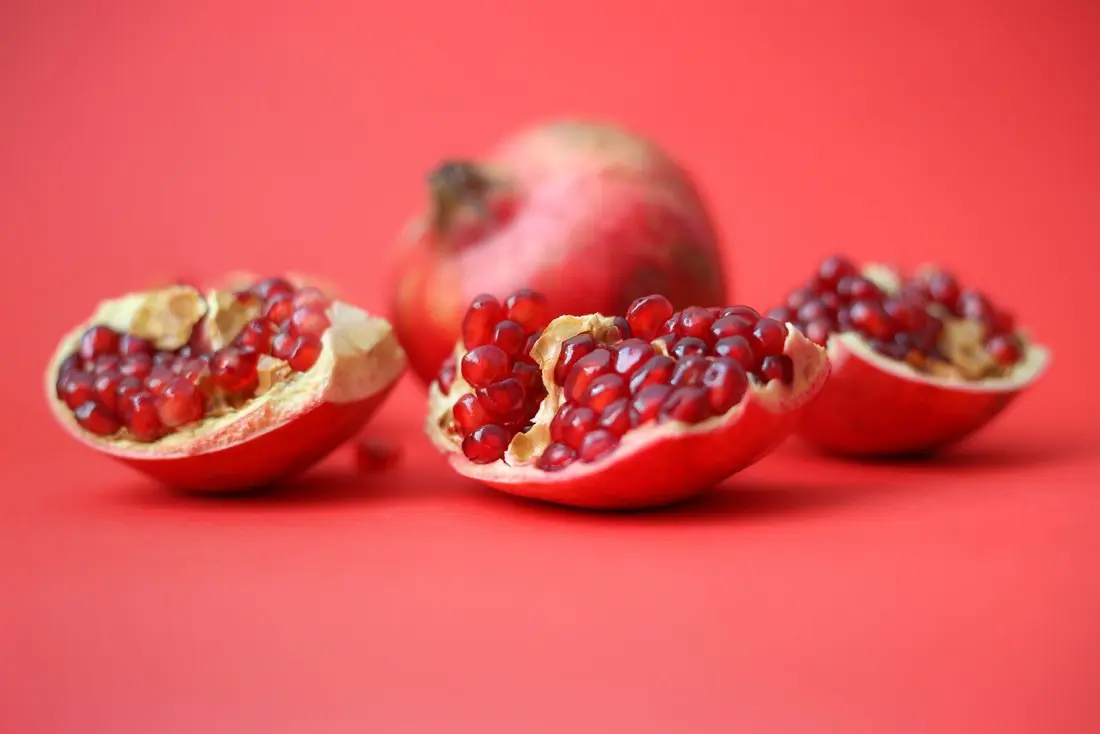
- Ellagic acid is found in foods like chestnuts, blackberries, black raspberries, walnuts and pomegranate. It affects immune cells in laboratory studies, but there is no good evidence yet that eating these foods changes how your immune system works.
- Small studies suggest fruit juices such as cranberry and concord grape juice may affect some immune cells. In one small study, cranberry juice had a beneficial effect on gamma delta T cells, a special type of immune T cell, and increase the production of interferon-gamma, a chemical signal that amps up the immune response against infection. Concord grape juice contains bioactive compounds such as anthocyanins, proanthocyanidins and hydroxycinnamic acids, but more research is needed on what they do to the immune system in people. Remember that juices, even without added sugar, contain a lot of natural sugar, so keep the amount reasonable and treat it more like a dessert than a supplement.
- Oysters are very high in zinc, which your immune system needs to fight off bacteria and viruses. Licorice root has a long history in traditional medicine, but there isn’t good evidence that it helps any health condition, and large or long term amounts can be dangerous, especially if you have high blood pressure, heart or kidney problems, or are pregnant. Licorice can also interact with some medicines, such as steroids. Check with your doctor before taking licorice supplements.
Immune-Calming Foods
Inflammatory and autoimmune conditions can be relieved by consuming foods that reduce inflammation. Many bioactives found in foods can achieve this by calming inflammatory immune cells.
For example, green tea has been shown to calm an overactive immune system and prevent the symptoms and organ damage of lupus.
Additionally, prebiotic foods, such as those high in fiber, can feed healthy gut bacteria, which can help the microbiome produce its own anti-inflammatory metabolites, such as butyrate, that can slow down overly active immune cells. Conversely, a diet high in protein from meat or fish has been associated with an increased risk for inflammatory bowel disease, while a high intake of sugar and soft drinks in people who also have low vegetable intake has been associated with a higher risk of ulcerative colitis.
Vitamin C has been shown to affect the immune system in multiple ways and can be found in foods such as broccoli, cherry tomatoes, grapefruit, guava, oranges, and strawberries.
Conclusion
Diet and lifestyle play a crucial role in maintaining our immune health. Certain foods, such as mushrooms, aged garlic, broccoli sprouts, extra-virgin olive oil, and fruit juices, can stimulate the immune system and promote immune health, while others, such as green tea and prebiotic foods, can calm inflammation and autoimmune conditions. By consuming a balanced and varied diet that includes key immune-boosting and calming foods, we can activate our immune command center and defend our health from both external and internal threats.
References:
- Maggini S, Pierre A, Calder PC. Immune function and micronutrient requirements change over the life course. Nutrients. 2018 Oct;10(10):1531.
- Gombart AF, Pierre A, Maggini S. A review of micronutrients and the immune system-working in harmony to reduce the risk of infection. Nutrients. 2020Jun;12(6):1717.
- Li P, Yin YL, Li D, Kim SW, Wu G. Amino acids and immune function. Br J Nutr. 2007 Aug;98(2):237-52.
- Rinninella E, Cintoni M, Raoul P, Lopetuso LR, Scaldaferri F, Pulcini G, Miggiano GAD, Gasbarrini A, Mele MC. Food components and dietary habits: Keys for a healthy gut microbiota composition. Nutrients. 2019 Jan;11(10):2393.
- Gómez-Gallego C, Pohl S, Salminen S, De Vos WM, Kneifel W. Akkermansia muciniphila: A novel functional microbe with probiotic properties. Benef Microbes. 2016;7(4):571-84.
- de La Serre CB, Ellis CL, Lee J, Hartman AL, Rutledge JC, Raybould HE. Propensity to high-fat diet-induced obesity in rats is associated with changes in the gut microbiota and gut inflammation. Am J Physiol Gastrointest Liver Physiol. 2010 Mar;299(5):G440-8.
- Lee D, Kim KW, Park M. High prevalence of vitamin D deficiency in patients with inflammatory bowel disease: A systematic review and meta-analysis. Nutrients. 2019 Dec;11(12):2576.
- Carr A, Maggini S. Vitamin C and immune function. Nutrients. 2017 Nov;9(11):1211.
Need help with this? Our physiotherapists in Hong Kong team at Total Health by Hong Kong Sports Clinic can assess you and start treatment in your first session, in Central, Kai Tak or Tin Hau. Message us on WhatsApp to book.