By Taras Makarenko, certified Nutritionist at Hong Kong Sports Clinic
Inflammation is a natural process that helps the body heal and protect itself from infection and injury. However, chronic inflammation can lead to a range of health problems, including heart disease, cancer, and autoimmune disorders. Some foods and supplements may help reduce inflammation, but the evidence in people is mixed for most of them. In this article, we will discuss some of the most effective anti-inflammatory foods and supplements, backed up by science.
Best Anti Inflammatory Foods and Supplements
-
Turmeric
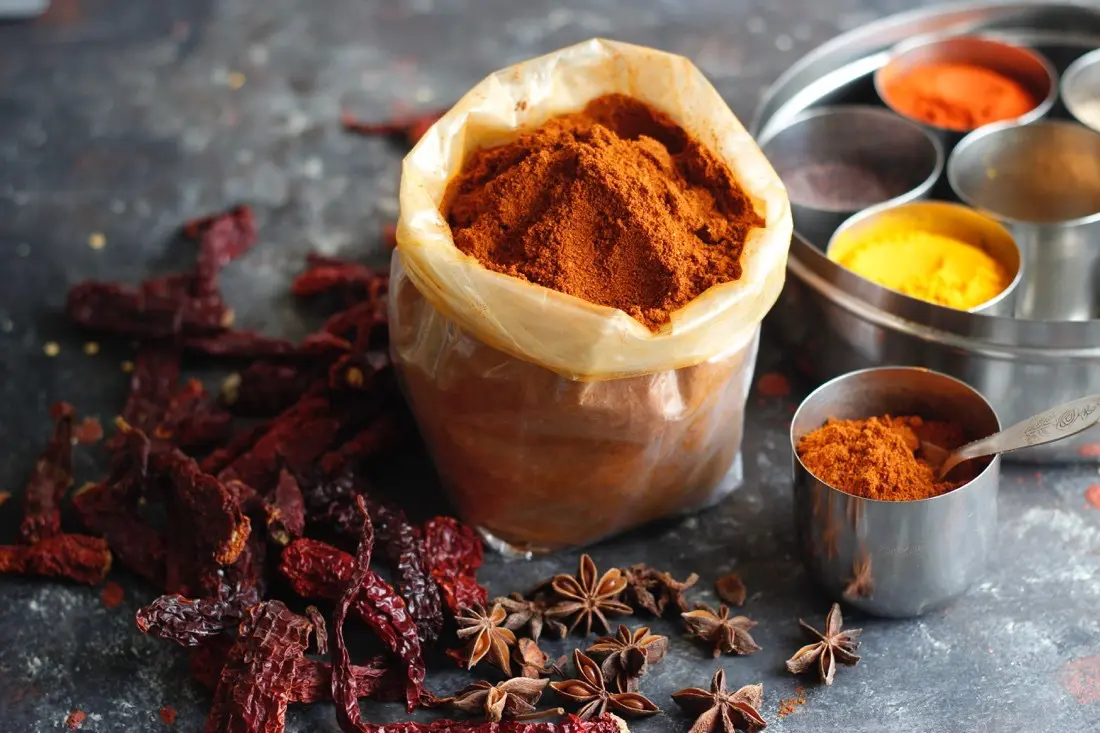
Turmeric is a spice commonly used in Indian and Middle Eastern cuisine. It contains a compound called curcumin, which has possible anti-inflammatory properties. Studies have shown that curcumin can reduce inflammation in the body by inhibiting the production of inflammatory molecules called cytokines. Cooking turmeric with a little black pepper may help your body absorb curcumin. This is different from high-absorption supplements, which carry the liver warning below.
-
Ginger
Ginger is another spice with powerful anti-inflammatory properties. It contains compounds called gingerols and shogaols, which have been shown to reduce inflammation in the body. Studies have also suggested that ginger may help alleviate pain and stiffness in people with osteoarthritis. Ginger can be consumed fresh, dried, or in supplement form. You can find all the information you need about our treatments here at Total Health by Kong Sports Clinic.
-
Omega-3 Fatty Acids
Omega-3 fatty acids are a type of polyunsaturated fat found in fatty fish such as salmon, sardines, and mackerel. They may have anti-inflammatory effects and can lower triglyceride levels. Omega-3 supplements are not recommended for people who do not have a high risk of heart disease, and it is not clear that they ease rheumatoid arthritis symptoms. Omega-3 fatty acids can also be found in fish oil supplements and algae-based supplements for those who do not consume fish.
-
Berries
Berries such as blueberries, strawberries, raspberries, and blackberries are rich in antioxidants and have possible anti-inflammatory properties. Studies have shown that consuming berries can reduce inflammation in the body and may help improve cognitive function in older adults. Berries can be consumed fresh or frozen, and are a fantastic addition to smoothies, yogurt, and oatmeal.
-
Green Tea
Green tea is a popular beverage that is rich in antioxidants called catechins. Drinking green tea has been linked to a lower risk of heart disease in some Asian populations, but results for cancer are inconsistent. Green tea is safe as a drink for most adults. Concentrated green tea products have been linked to rare cases of liver injury, and high doses can reduce the effect of the beta blocker nadolol. Green tea can be consumed hot or cold and can be sweetened with honey or lemon for added flavour.
-
Garlic
Garlic is a pungent herb that has been used for centuries for its medicinal properties. It contains a compound called allicin, which has possible anti-inflammatory properties. Garlic supplements may lower blood pressure and cholesterol a little in people with high levels. Garlic does not seem to lower the risk of stomach cancer. Garlic supplements can increase the risk of bleeding, so speak to your doctor first if you take blood thinners or aspirin, or before surgery. Garlic can be consumed fresh, roasted, or in supplement form.
-
Probiotics
Probiotics are live bacteria and yeasts. Some may help with certain gut problems, but for most uses we do not yet know which ones help. If you are seriously ill or have a weakened immune system, speak to your doctor before taking them. Probiotics can be found in fermented foods such as yogurt, kefir, and kimchi, as well as in supplement form.
-
Vitamin D
Vitamin D is a fat-soluble vitamin that is crucial for bone health. Large trials have found that vitamin D supplements do not lower the risk of heart disease or reduce the number of people who get cancer. If you take a supplement, do not take more than 100 micrograms (4,000 IU) a day unless your doctor advises it, as too much can be harmful. Vitamin D can be obtained from sun exposure, fortified foods such as milk and cereals, and supplements.
-
Resveratrol
Resveratrol is a compound found in grapes, peanuts and red wine. Research in people is mixed, and it is not clear that it protects against heart disease. Do not drink alcohol for health reasons. Alcohol raises the risk of several types of cancer. Resveratrol can be consumed through food or in supplement form.
-
Curcumin Supplements
Curcumin supplements are a concentrated form of the anti-inflammatory compound found in turmeric. Research on curcumin supplements is still limited. They can cause stomach upset. High-absorption products, including those with added black pepper extract (piperine), have been linked to liver damage. Stop taking them and see a doctor the same day if you notice tiredness, nausea, poor appetite, dark urine or yellowing of the skin or eyes. Turmeric supplements may be unsafe in pregnancy. Curcumin supplements are available in capsule or tablet form.
Conclusion
In conclusion, there are many foods and supplements that have possible anti-inflammatory properties. Incorporating these foods and supplements into your diet may help reduce inflammation in the body and improve overall health. It is important to talk to your healthcare provider before adding any supplements to your diet. This matters most if you take blood thinners such as warfarin, because high doses of omega-3 and garlic supplements can increase the risk of bleeding. Ask a doctor or pharmacist before starting any supplement if you take regular medicines, are pregnant or breastfeeding, or have a long-term health condition.
References:
- Turmeric:
Hewlings, S. J. & Kalman, D. S. (2017). Curcumin: A Review of Its’ Effects on Human Health. Foods, 6(10), 92. doi: 10.3390/foods6100092
- Ginger:
Daily, J. W. Zhang, X. Kim, D. S. & Park, S. (2015). Efficacy of ginger for treating Type 2 diabetes: A systematic review and meta-analysis of randomized clinical trials. Journal of Ethnic Foods, 2(1), 36-43. doi: 10.1016/j.jef.2015.03.005
- Omega-3 Fatty Acids:
Calder, P. C. (2020). Omega-3 fatty acids and inflammatory processes: from molecules to clinical trials. Biochemical Society Transactions, 48(1), 121-127. doi: 10.1042/BST20190167
NIH Office of Dietary Supplements. Omega-3 Fatty Acids: Fact Sheet for Consumers. https://ods.od.nih.gov/factsheets/Omega3FattyAcids-Consumer/
- Berries:
Lee, Y. Kim, H. & Bae, S. (2020). Health benefits of berry fruits and their bioactive compounds. Journal of the Science of Food and Agriculture, 100(1), 12-26. doi: 10.1002/jsfa.10118
- Green Tea:
National Center for Complementary and Integrative Health (NCCIH). Green Tea. https://www.nccih.nih.gov/health/green-tea
- Garlic:
National Center for Complementary and Integrative Health (NCCIH). Garlic. https://www.nccih.nih.gov/health/garlic
- Probiotics:
Azad, M. A. K. Sarker, M. Wan, D. & Immunology, M. (2018). Immunomodulatory Effects of Probiotics on Cytokine Profiles. BioMed Research International, 2018, 1-9. doi: 10.1155/2018/8063647
National Center for Complementary and Integrative Health (NCCIH). Probiotics: What You Need To Know. https://www.nccih.nih.gov/health/probiotics-what-you-need-to-know
- Vitamin D:
Wimalawansa, S. J. (2018). Vitamin D in the New Millennium. Current Osteoporosis Reports, 16(3), 243-255. doi: 10.1007/s11914-018-0446-1
NIH Office of Dietary Supplements. Vitamin D: Fact Sheet for Health Professionals. https://ods.od.nih.gov/factsheets/VitaminD-HealthProfessional/
NHS. Vitamin D. https://www.nhs.uk/conditions/vitamins-and-minerals/vitamin-d/
- Resveratrol:
Mayo Clinic. Red wine and resveratrol: Good for your heart? https://www.mayoclinic.org/diseases-conditions/heart-disease/in-depth/red-wine/art-20048281
World Health Organization Regional Office for Europe (2023). No level of alcohol consumption is safe for our health. https://www.who.int/europe/news/item/04-01-2023-no-level-of-alcohol-consumption-is-safe-for-our-health
- Curcumin Supplements:
Henrotin, Y. Priem, F. & Mobasheri, A. (2013). Curcumin: a new paradigm and therapeutic opportunity for the treatment of osteoarthritis: curcumin for osteoarthritis management. SpringerPlus, 2(1), 56. doi: 10.1186/2193-1801-2-56
National Center for Complementary and Integrative Health (NCCIH). Turmeric. https://www.nccih.nih.gov/health/turmeric
Need help with this? Our physiotherapists in Hong Kong team at Total Health by Hong Kong Sports Clinic can assess you and start treatment in your first session, in Central, Kai Tak or Tin Hau. Message us on WhatsApp to book.