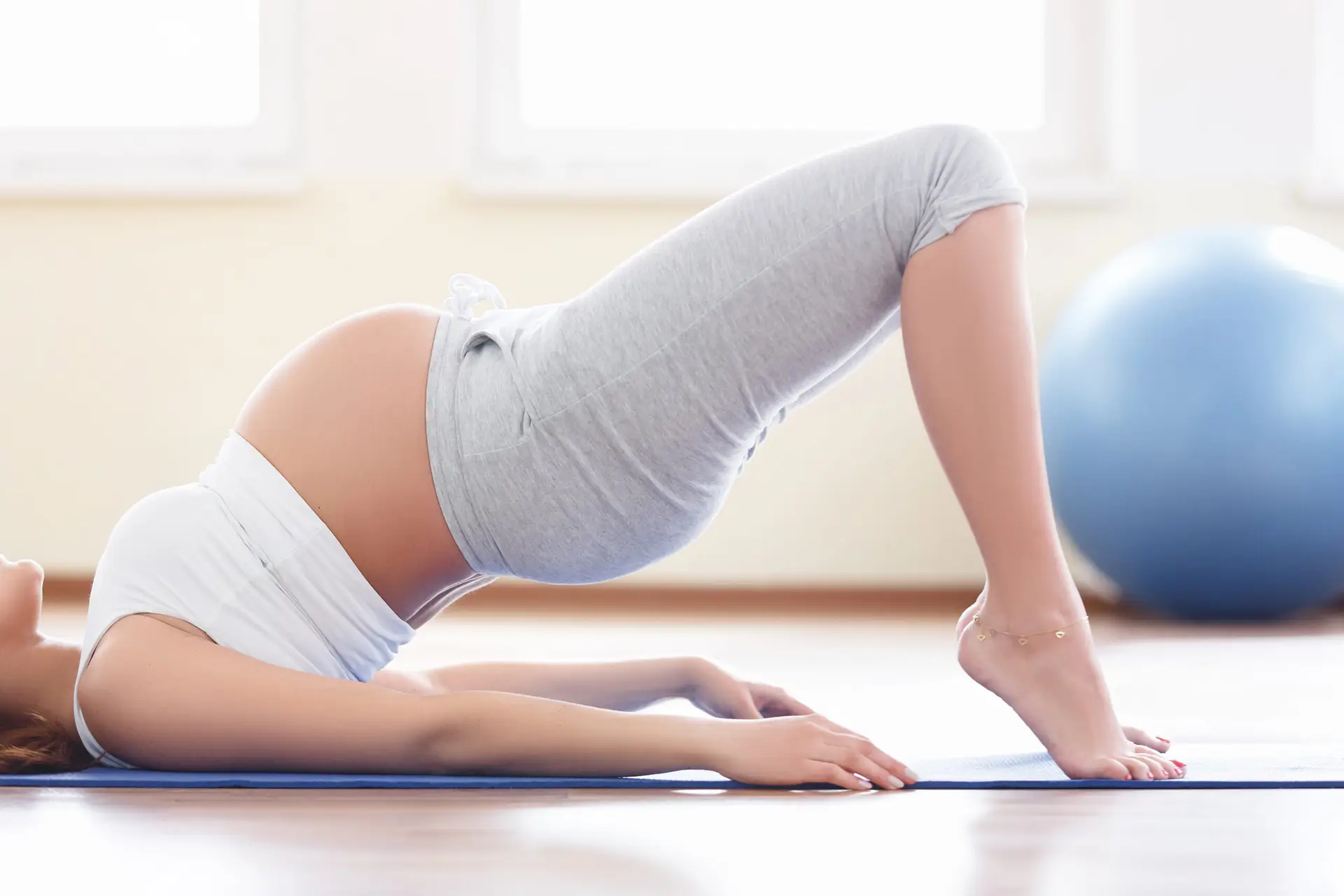

Quick answer: To do a pelvic floor exercise, sit or lie comfortably and squeeze as if you are stopping yourself passing wind and urine at the same time, lifting up inside, then let go fully. Build up to 10 slow squeezes held for up to 10 seconds, followed by 10 quick squeezes, at least 3 times a day. Keep going for at least 3 months: many people notice an improvement within 3 to 5 months.
What are pelvic floor exercises?
Pelvic floor exercises, also called pelvic floor muscle training or Kegel exercises, strengthen the layer of muscles at the base of your pelvis. These muscles support your bladder and bowel, and the womb in women. They work as a team with your tummy muscles, and although they often work automatically, you can also squeeze and relax them on purpose. Women and men both have a pelvic floor, and both can train it.
Why pelvic floor exercises matter for women
- Bladder leaks: supervised pelvic floor training for at least 3 months is the first treatment NICE recommends for stress and mixed urinary incontinence (stress incontinence is leaking when you cough, sneeze or exercise, and mixed incontinence also includes leaking with a sudden urge). If you mainly leak with a sudden urge to go, bladder training for at least 6 weeks is the usual first treatment, and both may be used for mixed leaks.
- Pregnancy and after birth: NICE encourages pelvic floor training during and after pregnancy. In women without leaks, training in pregnancy probably lowers the chance of leaking in late pregnancy.
- Prolapse: pelvic floor training for at least 16 weeks can ease the symptoms of mild prolapse. NICE also encourages it to help prevent pelvic floor problems, including prolapse symptoms, although most of the research is in pregnancy and after birth.
- Sex: stronger pelvic floor muscles may improve sensation during sex.
- Bowel control: exercises help some people with bowel leaks.
Pelvic floor problems can come from muscles that are weak, overstretched, slow to work, too tight or torn. Exercises help weak or poorly coordinated muscles, but pain, tears and nerve problems need an assessment first.
Why pelvic floor exercises matter for men
- Bladder leaks: exercises may help with leaks and with dribbling after passing urine. They are often advised after prostate surgery, although trial results are mixed.
- Erections: good pelvic floor muscles help to maintain an erection, and exercises may help.
- Bowel control: exercises help some men with bowel leaks.
Men who exercise regularly often notice a difference within 3 to 6 months.
How to find your pelvic floor muscles
- Sit or lie comfortably with your thighs, buttocks and tummy relaxed.
- Squeeze as if you are trying to stop yourself passing wind and urine at the same time. You should feel a lift and a squeeze inside.
- Keep breathing normally. Don’t hold your breath, pull your tummy in hard or squeeze your buttocks and legs.
- Let the muscles relax fully after every squeeze.
- Imagining stopping your urine flow can help you find the muscles, but don’t practise by actually stopping your flow, because this can stop your bladder emptying properly.
How many pelvic floor exercises should you do?
- Slow squeezes: tighten and lift, hold for up to 10 seconds, then relax fully. Build up to 10.
- Quick squeezes: tighten and lift quickly, then relax. Build up to 10.
- How often: at least 3 times a day. NICE advises at least 8 squeezes each time.
- How long: keep going for at least 3 months. Many people notice an improvement within 3 to 5 months, and once a day after that keeps it up.
- Progress: build up gradually over the weeks, then practise in sitting and standing and during everyday movements. Tightening just before you cough, sneeze or lift is sometimes called “the knack”.
Stop and get advice if you see bulging when you squeeze, if the exercises hurt, or if nothing improves.
When pelvic floor exercises are not the answer
For leaks when you cough, sneeze or run, pelvic floor training has strong evidence behind it. But your pelvic floor needs to relax as well as squeeze. Sometimes the muscles stay tense and don’t let go when they should. This is called an overactive pelvic floor.
Signs can include pain in the pelvis, genitals or back passage, painful sex, needing to pass urine often, a flow that stops and starts, difficulty emptying your bladder or bowels, straining and constipation.
These symptoms overlap with other pelvic floor problems, so it helps to be assessed before you start a squeezing routine. A pelvic health physiotherapist checks how well your muscles tighten and relax, then tailors your plan. If the exercises hurt, or you have tummy or pelvic pain afterwards, stop and get specialist advice.
Treatment usually starts with learning to let the muscles go, sometimes called down training. This can include relaxation, breathing, gentle stretches, massage and biofeedback. Strength work may be added later, depending on what the assessment shows.
Frequently asked questions
How long do pelvic floor exercises take to work?
Give them at least 3 months. Many people notice an improvement within 3 to 5 months, and doing them once a day after that keeps it up.
How many should I do a day?
Aim for at least 3 sessions a day. NICE advises at least 8 squeezes each time, and the POGP suggests building up to 10 long and 10 quick squeezes.
Can I do them while I’m passing urine?
No. Imagining stopping the flow helps you find the muscles, but actually stopping your urine can stop your bladder emptying properly and may raise the risk of infection.
Do pelvic floor exercises work for men?
Men have a pelvic floor too, and the routine is similar: POGP suggests men build up to 12 long squeezes held for up to 12 seconds, then 12 quick ones. Exercises may help with leaks, dribbling after passing urine and erections, often within 3 to 6 months.
Should I do them in pregnancy?
Yes. NICE encourages pelvic floor training during and after pregnancy, and in women without leaks it probably lowers the chance of leaking in late pregnancy.
When to get help urgently
- new numbness or loss of feeling around your genitals or bottom (anus), together with back pain, sciatica or new bladder or bowel problems: call 999 or go to A&E
- blood in your urine, even once, or you can’t pass urine at all: see a doctor the same day
- if you are pregnant and leak fluid you aren’t sure is urine: contact your doctor or the labour ward of the hospital where you plan to give birth straight away, because it can be hard to tell your waters from urine
When to see a doctor or pelvic health physiotherapist
- any bladder or bowel leaks
- a bulge or lump in, or coming out of, the vagina
- bulging when you squeeze, pain during or after the exercises, or no improvement after a few months
- pelvic pain, painful sex or difficulty emptying your bladder, so these can be assessed before you start strengthening
- any new symptoms, so other causes such as infection can be ruled out
Sources
- NICE NG210: Pelvic floor dysfunction, prevention and non surgical management
- NICE NG123: Urinary incontinence and pelvic organ prolapse in women
- POGP: Pelvic floor muscle exercises for women
- Cochrane: Pelvic floor muscle training for urinary incontinence in women
- Cochrane: Pelvic floor muscle training in pregnancy and after birth
- NHS: Blood in urine
- Cleveland Clinic: Pelvic floor dysfunction
- POGP: Pelvic floor muscle exercises and advice for men
- Cochrane: Conservative management after prostate surgery
- Mayo Clinic: Kegel exercises
Need help with this? Our women’s pelvic health physiotherapy team at Total Health by Hong Kong Sports Clinic can assess you and start treatment in your first session, in Central or Kai Tak. Message us on WhatsApp to book.