
Hot flashes, or postmenopausal hot flushes, are a typical symptom that many women experience going through menopause. During menopause, hot flashes affect about 80% of women. Menopause, which usually happens between the ages of 45 and 55, is the phase of a woman’s life when her menstrual cycles permanently end.
Hot flashes are rapid, intense heat sensation that covers the entire body, especially the top region, the face, neck, and chest, is the hallmark of a hot flush. They can last anywhere from a few seconds to many minutes, depending on how severe they are. Women during menopause may suffer from severe sweating, skin flushing, and elevated heart rate in addition to the heat. It is typical for women to feel cold or start perspiring after a hot flush passes.
Hot flashes may be more closely related to the rate at which a woman’s oestrogen and progesterone levels diminish as she approaches menopause than to the actual amount at which these hormones in the body. This reduction in the rate of oestrogen synthesis may cause the hypothalamus, the area of the brain responsible for controlling body temperature, to malfunction. The changes in oestrogen production rate may lead to the misperception by the hypothalamus of an elevation in body temperature, consequently inducing the body’s cooling processes, including vasodilation of blood vessels and perspiration.
Women’s hot flushes can vary widely in frequency and severity; some may only have sporadic, mild episodes, while others may experience regular, severe episodes that drastically lower their quality of life. The frequency and intensity of hot flashes can be influenced by a number of factors, including heredity, lifestyle choices, and general health.
Hot flashes are a normal aspect of the menopausal transition, but for some women, they can be uncomfortable and interfere with everyday activities. There are a number of therapeutic alternatives available if a woman’s well-being is greatly impacted by hot flushes. These include lifestyle changes (for example avoiding triggers like spicy food and hot drinks), cognitive behavioural therapy (CBT), some non-hormonal medicines, and Menopausal Hormone Therapy (MHT), which replaces the hormones your body is making less of.
Menopausal Hormone Therapy (MHT).
Menopausal hormone treatment protects the lining of the uterus (womb) from cancer in women who have not had a hysterectomy by using progestogen in addition to oestrogen to treat menopausal symptoms. Hormone replacement therapy (HRT) or hormone therapy (HT) are other names for menopausal hormone therapy.
MHT is a very effective treatment for hot flushes and night sweats. In trials, it reduced how often hot flushes happened by about 75%. MHT also prevents osteoporosis and fractures, which helps to preserve bone. Most women cope well with MHT, but some get side effects such as breast tenderness or unexpected vaginal bleeding. A gynaecologist may need to look at them to rule out other causes. MHT also carries some risks. It can slightly raise the risk of breast cancer, and MHT tablets can slightly raise the risk of blood clots and stroke. For most women the benefits outweigh the risks. Your doctor can help you decide what is right for you.
What are some lifestyle changes that can be made?
Some lifestyle changes may help you cope with hot flushes, although they may not stop them. The following lifestyle modifications could aid in symptom relief:
- Dressing in Layers: It’s easy to adapt lightweight clothing to your body’s changing temperature. In this manner, layers can be added or removed to meet hot flushes.
- Remaining Cool: Reducing the temperature in the surrounding area will assist lessen the discomfort brought on by hot flashes. If required, consider utilising air conditioning, open windows, or use fans.
- Handling Stress: For many women, stress can either cause or exacerbate hot flashes. Stress-relieving activities such as yoga, tai chi, meditation or deep breathing may help you feel calmer, although they have not been shown to reduce hot flushes.
- Frequent Exercise: Regular exercise is good for your general health and your bones. Research has not shown clearly that it reduces hot flushes. Exercise is good for your general wellbeing and may help you sleep better. Together with weight training activities, try to get in at least 150 minutes of moderate-intensity aerobic activity per week.
- Steer Clear of Triggers: For some women, certain triggers might make hot flashes worse. Spicy meals, hot liquids (such as coffee and tea), alcohol, and cigarettes are common triggers. Mitigating or evading these stimulants could aid in the control of symptoms.
- Sustaining a Healthy Weight: Hot flashes may be lessened by maintaining a healthy weight with a balanced diet and frequent exercise. Reaching and maintaining a healthy weight may help reduce symptoms of hot flashes, as some research indicate that women with higher body mass indices (BMIs) may have more intense episodes.
- Using Relaxation Techniques: Progressive muscle relaxation, deep breathing and guided visualisation can help you feel calmer and cope with stress. Research has not shown that relaxation reduces how often hot flushes happen. CBT can help with hot flushes, so ask your doctor about it.
- Sufficient Sleep: Getting a good night’s sleep is crucial for maintaining general health. By keeping the room cold, utilising breathable bedding, and adhering to excellent sleep hygiene practises, you can create a suitable sleeping environment.
- Herbal medicines: Products such as red clover, black cohosh and evening primrose oil are sold for hot flushes. There is very little good evidence that they work or that they are safe. But before taking any herbal supplements, it’s crucial to speak with a doctor because they can have negative effects or interfere with other prescriptions.
It’s crucial to remember that everyone may not totally eradicate hot flashes with lifestyle changes, and that each person may respond differently to them. If lifestyle changes don’t give you enough relief, speak to your doctor about treatments that can help, such as CBT or hormone therapy (MHT).
Are there specific exercises I can do to help with hot flushes?
No single workout has been shown to stop hot flushes. But regular exercise is good for your general health and your bones, so it is still worth doing. The following types of exercise are good options:
- Aerobic Exercise: Activities that raise your heart rate, such as brisk walking, jogging, cycling, swimming or dancing, are good for your heart and general health. Try to get in at least 150 minutes a week of aerobic activity at a moderate level. Regular aerobic exercise is good for your general wellbeing and may help you sleep better.
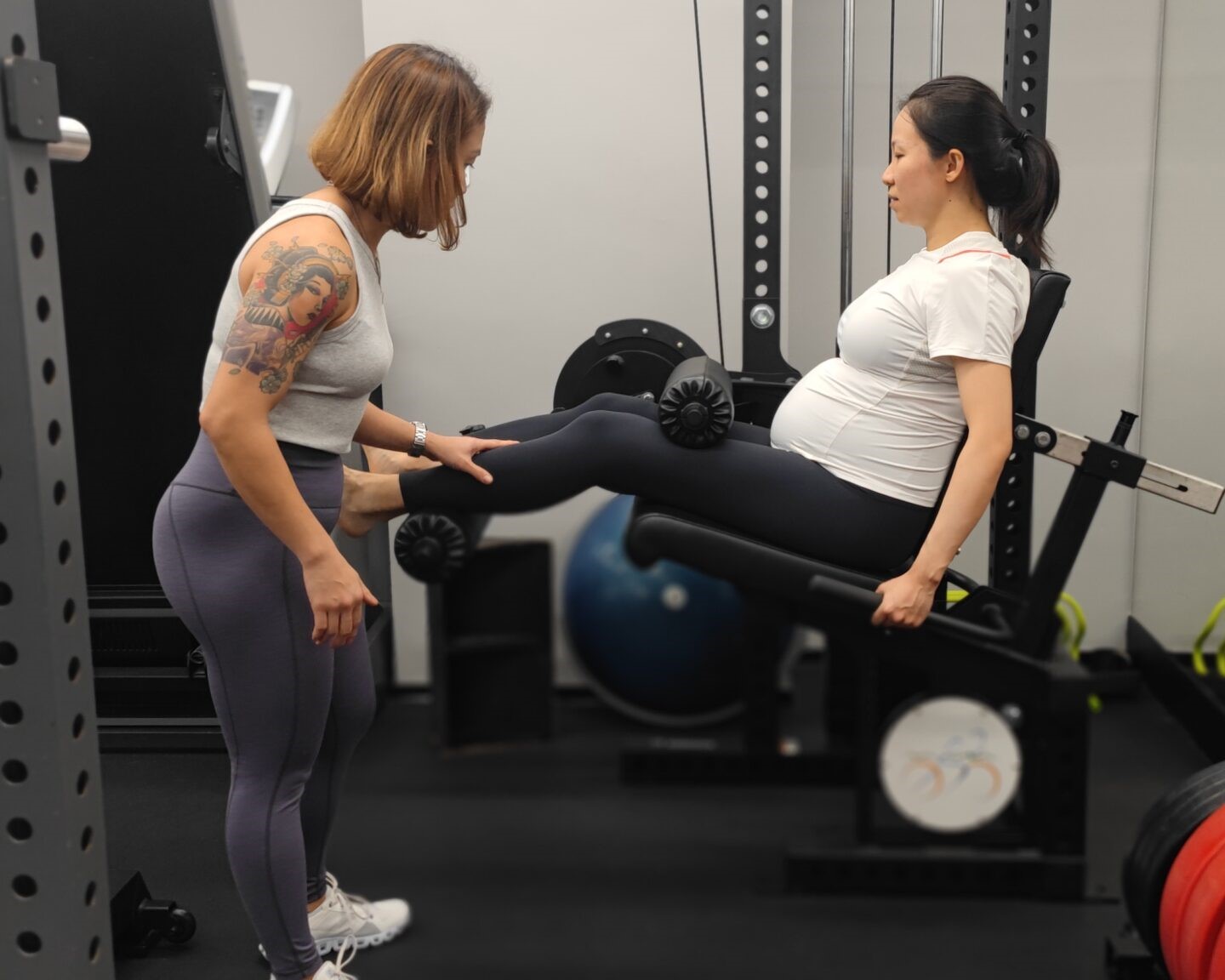
- Strength Training: Including strength training activities in your programme will improve general physical health, assist maintain muscle mass, and increase bone density. Exercises for strength training can be performed using resistance bands, free weights, machines, or bodyweight exercises including planks, squats, lunges, and push-ups. Increasing and preserving muscle strength is good for your bones and general health.
- Yoga: Yoga combines postures, breathing and meditation. It may help with stress, but there is not enough evidence that it reduces hot flushes. Forwards bends, mild twists, and restorative postures are a few examples of yoga positions that might help you relax. Furthermore, slow belly breathing and cooling breath (Sitali or Sitkari pranayama), two breathing exercises used in yoga, may help you feel calmer during a hot flush.
- Tai Chi: Tai Chi is a mild type of exercise that combines deep breathing, meditation, and slow, flowing motions. It has been demonstrated to enhance general wellbeing, flexibility, and balance. Some small studies suggest tai chi may help sleep, but there is not enough evidence that it reduces hot flushes.
- Mindful Movement Techniques: Mindful movement such as Qigong or Pilates may help you relax and stay active. These methods, which emphasise breathing exercises, mind-body awareness, and regulated movements, encourage physical health, stress relief, and relaxation.
It’s critical to select workouts that you enjoy, fit your fitness level, and improve your general health. Your workouts should be started slowly and increased in duration and intensity over time. If you have a medical condition, or have not exercised for a while, speak to your doctor before you start a new exercise programme. Our women’s health physiotherapists can then help you plan exercise that suits you.
Need help with this? Our menopause physiotherapy team at Total Health by Hong Kong Sports Clinic can assess you and start treatment in your first session, in Central or Kai Tak. Message us on WhatsApp to book.