Originally written by Grace Yu (Yu Hsin Tzu). Rewritten October 2026.
Quick answer: Acupuncture is a treatment in which very fine needles are placed at specific points on the body. Research suggests it may help some types of long term pain and may reduce how often tension headaches and migraines happen, and UK guidelines (NICE) recommend considering it for these. It is not recommended for low back pain or osteoarthritis. Acupuncture is generally safe when done by a qualified practitioner using sterile, single use needles.
What is acupuncture?
Acupuncture comes from Traditional Chinese Medicine (TCM). In TCM, acupuncture points lie along channels, or meridians, and needling them is believed to regulate the flow of qi (energy) and restore balance in the body. Western medical acupuncture explains its effects differently, through stimulation of the nerves, muscles and connective tissue.
At our clinic, acupuncture within TCM is provided by our Chinese medicine team. Our physiotherapists also use dry needling, a related technique aimed at tight, tender areas of muscle.
What does the research say acupuncture can help?
- Long term (chronic) primary pain: NICE guidelines say a single course of acupuncture can be considered for chronic primary pain, which is long term pain that isn’t explained by another condition.
- Tension headaches: NICE suggests considering a course of up to 10 sessions over 5 to 8 weeks to help prevent chronic tension type headaches.
- Migraine: NICE says a course of up to 10 sessions over 5 to 8 weeks can be considered to help prevent migraine, but only if the usual preventive medicines (topiramate and propranolol) are unsuitable or haven’t worked. A Cochrane review found acupuncture reduced how often migraines happened compared with usual care, but its advantage over sham acupuncture was small. See a doctor first to find the cause of your headaches.
Acupuncture is not recommended in NICE guidelines for low back pain or for osteoarthritis. For these, exercise based treatment has better evidence. See our guide to managing lower back pain.
Trials of acupuncture during IVF have not shown a clear benefit. Read what research says about TCM and IVF.
What happens in an acupuncture session?
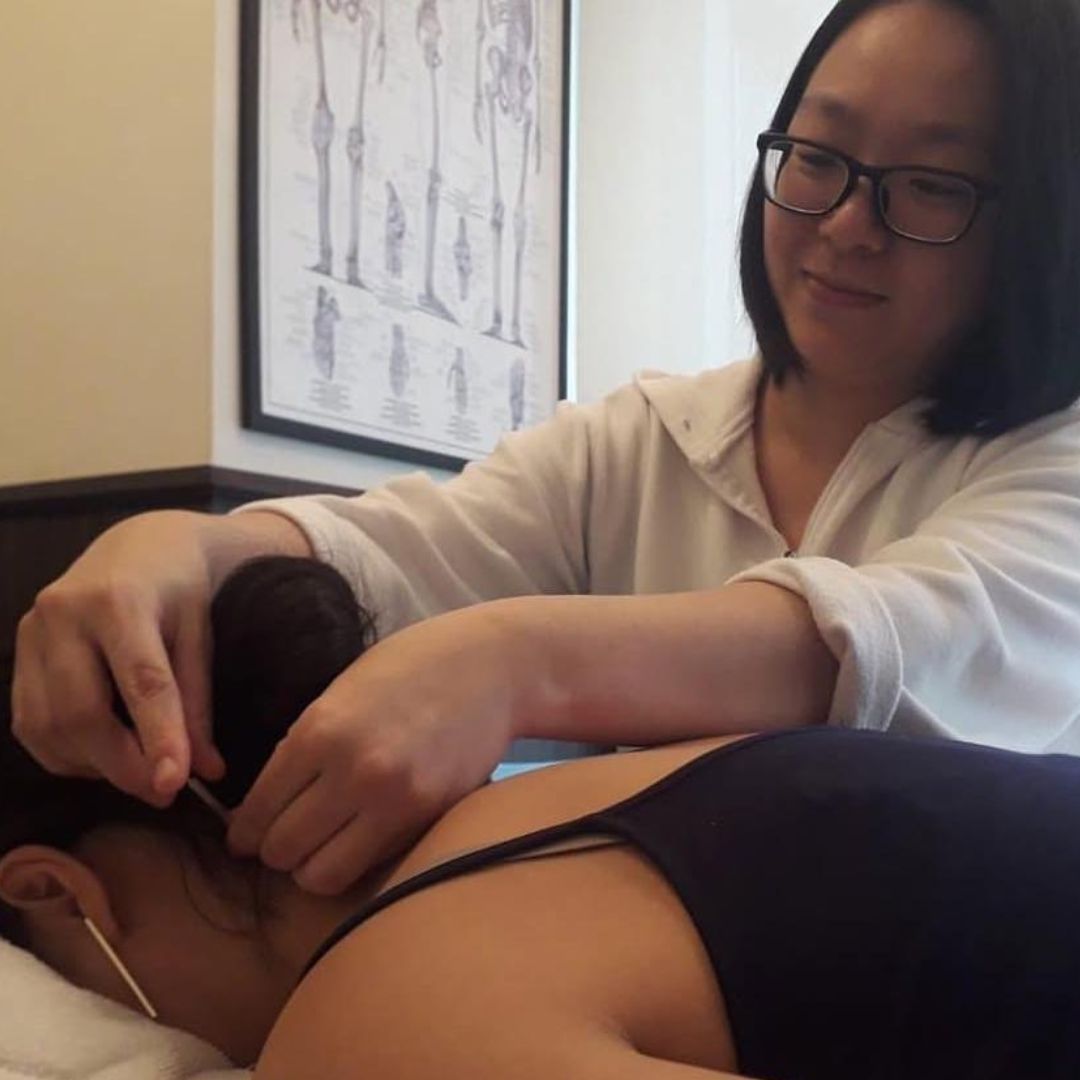
The practitioner asks about your health and symptoms, and in TCM also looks at your tongue and checks your pulse. Fine needles are then placed in points on your body, sometimes far from where you feel the symptom, and are usually left in place for a short time. Most people feel a mild tingling or dull ache. A course of treatment usually means several sessions.
Is acupuncture safe?
Serious problems are rare when acupuncture is done properly by a qualified practitioner using sterile, single use needles. Side effects can include:
- pain, bleeding or bruising where the needles go in
- feeling drowsy, sick or dizzy
- symptoms getting worse for a short time
Done badly, acupuncture can cause infections and injuries, so choose a qualified practitioner.
Tell your practitioner before treatment if you:
- have a bleeding disorder or take medicine to thin your blood
- have a metal allergy
- have an infection or a skin condition in the area to be treated
- have a pacemaker, as electrical stimulation of the needles may affect it
- are pregnant
Frequently asked questions
What is acupuncture good for?
Research suggests it may help some types of long term pain and may help prevent tension headaches and migraines. NICE recommends considering it for these, but not for low back pain or osteoarthritis.
Does acupuncture hurt?
Usually very little. The needles are much finer than injection needles, and most people feel a mild tingling or dull ache.
How many sessions of acupuncture will I need?
It varies. For tension headaches, NICE suggests a course of up to 10 sessions over 5 to 8 weeks.
What is the difference between acupuncture and dry needling?
In TCM, acupuncture uses points along meridians and is believed to restore balance. Dry needling, used by physiotherapists, targets tight, tender areas of muscle. Both use similar fine needles.
Is acupuncture safe in pregnancy?
Tell your practitioner if you are pregnant, as some points are thought to stimulate labour and are avoided in pregnancy. Speak to your doctor first.
Sources
- NHS: Herbal medicines and complementary therapies
- Mayo Clinic: Acupuncture
- NICE NG193: Chronic pain (primary and secondary) in over 16s
- NICE CG150: Headaches in over 12s
- NICE NG59: Low back pain and sciatica in over 16s
- NICE NG226: Osteoarthritis in over 16s
- Cochrane 2016: acupuncture for preventing episodic migraine
- NCCIH: Acupuncture, effectiveness and safety