Originally written by Grace Yu (Yu Hsin Tzu). Updated October 2026.
Quick answer: The Chinese word for eczema is 濕疹 (shīzhěn in Mandarin), and dyshidrotic eczema, also called pompholyx, is 汗皰疹. In Traditional Chinese Medicine (TCM), eczema is linked to dampness, heat and wind, and care is matched to the pattern a practitioner sees. Research on Chinese herbal medicine for eczema is limited, and doctors treat eczema with daily moisturisers and, for flare ups, steroid creams used as prescribed.
What is eczema?
Atopic eczema makes the skin itchy, dry, cracked and sore. It often comes and goes in flare ups, and it is common in children. Eczema is not contagious, so you cannot catch it from someone or spread it to other people. It often appears on the hands, the insides of the elbows, the backs of the knees and the face, but it can affect any part of the body.
Dyshidrosis (pompholyx)
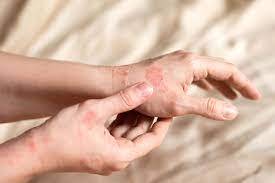
Dyshidrosis, or pompholyx (汗皰疹), is a type of eczema that causes small, very itchy blisters, mostly on the fingers, the palms and sometimes the soles of the feet. It isn’t clear exactly what causes it. Common triggers include soaps and other irritants, nickel, having wet hands for long periods, stress, heat and sweating.
How Traditional Chinese Medicine describes eczema
TCM describes eczema in terms of patterns rather than a single cause. In TCM terms, weeping skin is linked to dampness (濕), redness to heat (熱) and itch to wind (風). A TCM practitioner looks at your skin, asks about your symptoms and checks your tongue and pulse to decide which pattern fits. Common patterns include:
- Damp heat (濕熱): red, weeping or blistered skin.
- Spleen deficiency with excess dampness (脾虛濕盛): eczema that keeps coming back, which TCM links to the body not clearing dampness well.
- Blood deficiency with wind and dryness (血虛風燥): long standing eczema with dry, thickened, cracked and itchy skin.
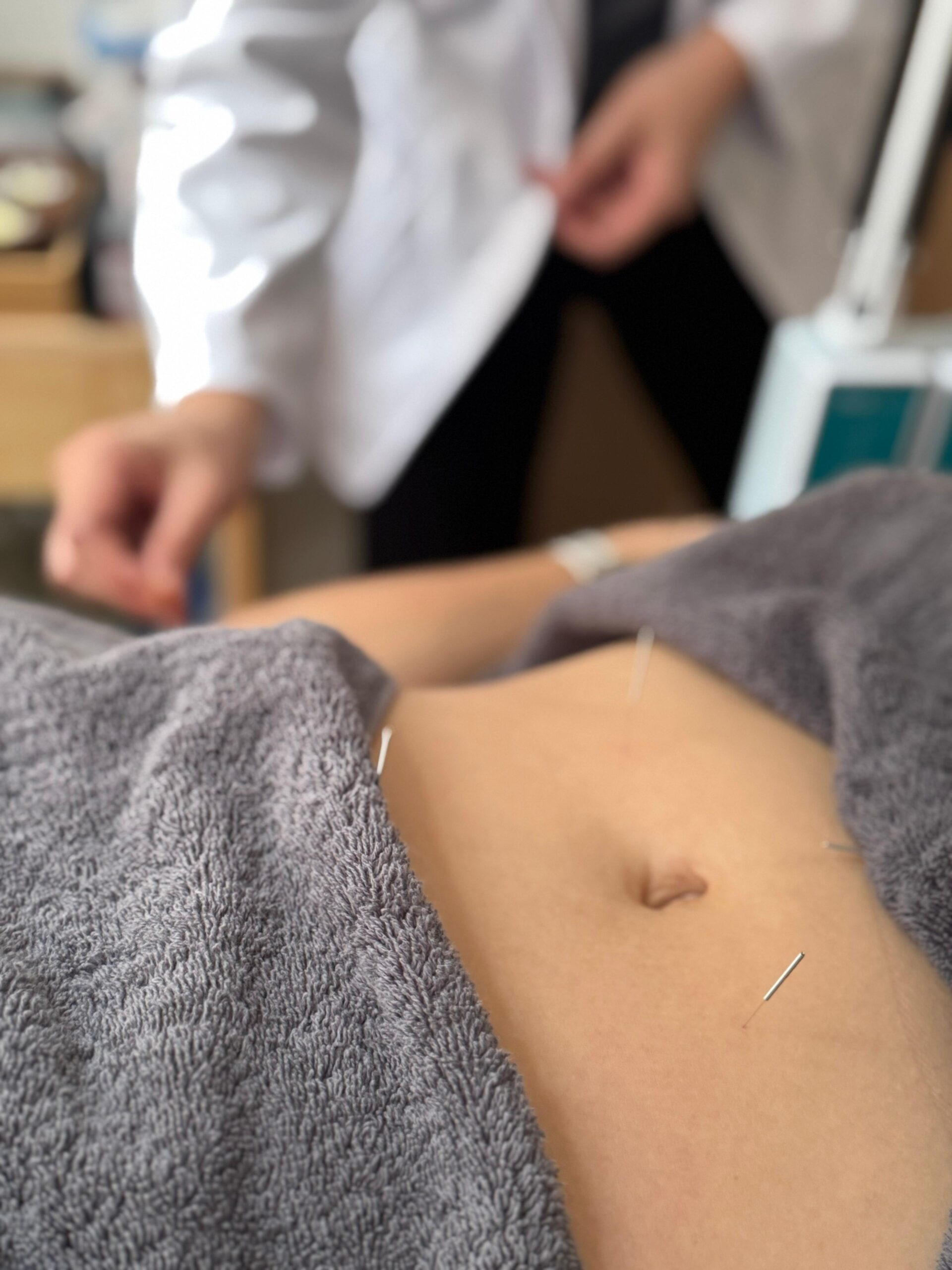
Depending on the pattern, a TCM practitioner may suggest Chinese herbal medicine, acupuncture, and diet and lifestyle advice. These are traditional approaches, and the next section explains what research has found.
What does the research say?
- Chinese herbal medicine: a Cochrane review could not find conclusive evidence that Chinese herbal medicine reduces the severity of eczema. A 2023 review of 17 trials reported fewer relapses, but its results on eczema severity were not reliable, and the authors said more research is needed.
- Acupuncture: several studies suggest acupuncture may reduce itch, but larger, better quality trials are needed.
- There is no cure for eczema, but treatment can help manage the symptoms, and they often get better with age.
Treatment your doctor may recommend
- Moisturisers (emollients) every day, even when your skin looks clear.
- Steroid creams or ointments for flare ups. They are a standard treatment that helps reduce inflammation, and side effects are less likely when you use them as prescribed. Overuse can cause side effects such as thinning skin, so follow your doctor’s instructions.
- Avoiding your triggers, such as soaps, detergents or particular fabrics.
If you would like to try TCM, keep using the treatment your doctor has prescribed, and tell both your doctor and your TCM practitioner about everything you are using.
Safety with herbal treatments
- Hidden steroids: some “herbal” eczema creams have been found to contain undeclared steroids. In Hong Kong in 2011, a 3 year old boy developed Cushing syndrome after using a cream for skin conditions supplied by a Chinese medicine practitioner. Ask a doctor or pharmacist before using any cream if you don’t know what is in it.
- Interactions and side effects: herbs can interact with medicines, and some herbs can harm the liver.
- Children: take particular care with Chinese herbs for children, and speak to your doctor first.
Diet
TCM practitioners often advise cutting down on foods seen as “cold” in TCM, such as iced drinks, and on seafood during flare ups. Medical advice is not to cut foods out of your diet unless a doctor tells you to, as this can affect nutrition, especially in children. If you think a food makes your eczema worse, talk to your doctor.
Everyday skin care for eczema and dyshidrosis
- use a moisturiser several times a day, and a soap substitute instead of soap
- wash in lukewarm rather than hot water and pat your skin dry
- keep nails short to limit damage from scratching
- for dyshidrosis, wear gloves for wet work and cleaning, and dry your hands well afterwards
- keep your home well ventilated, as Hong Kong’s heat and humidity can make sweating and itching worse
When to see a doctor
See a doctor the same day if your eczema is blistered, crusty, leaking fluid or has spots filled with pus, if it is painful, swollen or feels warm, if it suddenly gets worse or spreads, or if you have a high temperature or feel generally unwell. These can be signs of infection.
See a doctor if eczema is affecting your sleep or daily life, or if your treatment isn’t working.
Frequently asked questions
What is eczema in Chinese?
Eczema is 濕疹 (simplified 湿疹), said shīzhěn in Mandarin. Hong Kong’s Department of Health also uses 異位性皮膚炎 for atopic eczema.
What is dyshidrosis in Chinese?
It is 汗皰疹 (simplified 汗疱疹). It is a type of eczema with small, itchy blisters, mostly on the fingers and palms.
How does TCM diagnose eczema?
By looking at your skin and tongue, listening and smelling, asking about your symptoms and feeling your pulse. In TCM terms, weeping skin is linked to dampness, redness to heat and itch to wind.
Does TCM treatment work for eczema?
The evidence is limited. A Cochrane review found no conclusive evidence that Chinese herbal medicine reduces eczema severity, although some studies suggest acupuncture may reduce itch.
Are herbal eczema creams safe?
Not always. Some have been found to contain hidden steroids, and in Hong Kong a young child developed Cushing syndrome after using one. Check with your doctor before using herbal products.
Is eczema contagious?
No. You cannot catch eczema or pass it on. Skin that is oozing or has pus may be infected, which needs a doctor.
Sources
- NHS: Atopic eczema
- NHS: Atopic eczema treatment
- NHS: Pompholyx (dyshidrotic eczema)
- Mayo Clinic: Atopic dermatitis, diagnosis and treatment
- Cochrane 2013: Chinese herbal medicine for atopic eczema
- 2023 review: Chinese herbal medicine and eczema relapse
- NCCIH: Skin conditions and complementary health approaches
- Hong Kong Department of Health 2011: undeclared steroid in a cream supplied by a Chinese medicine practitioner
- Hong Kong Department of Health: 異位性皮膚炎/小兒濕疹
- MedlinePlus: Herbal medicine
- Mayo Clinic: Medicines and supplements that can harm the liver
- CUHK School of Chinese Medicine: Chinese medicine for eczema, seminar summary (in Chinese)
If you have eczema, keep using the treatment your doctor has prescribed, and see a doctor if it isn’t settling.