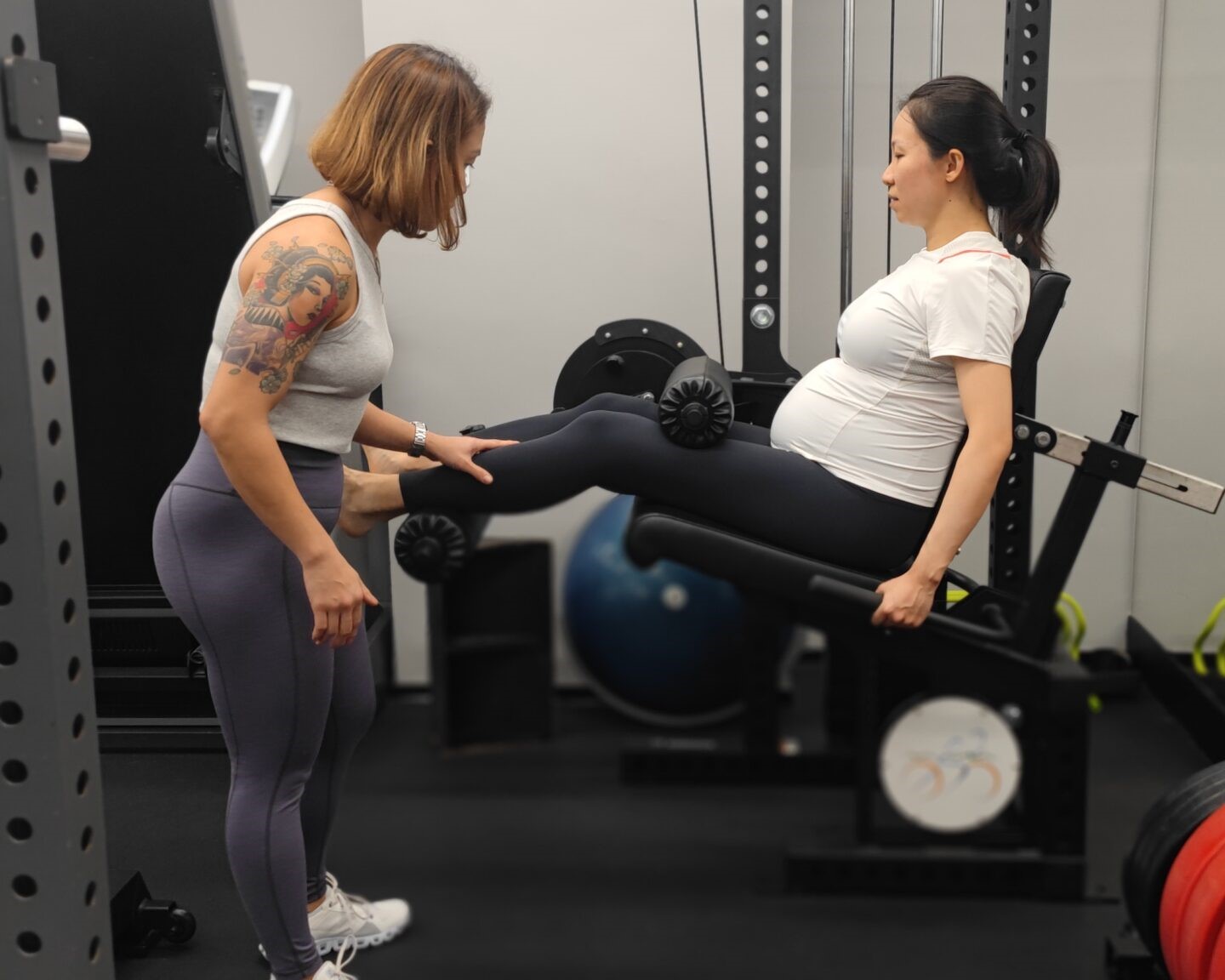
Strength training can be incredibly beneficial for expectant mothers during pregnancy. For most women with a healthy, uncomplicated pregnancy, it is a safe and empowering way to stay fit and strong. Check with your doctor or midwife before you start. Although it may seem intimidating, research has shown that with proper guidance, strength training can boost your energy, improve your posture, and enhance your mood. Here are some of the benefits that resistance training can offer for expectant mothers: Your journey to strength starts here, let’s make every workout count with your personal trainer.
- Benefits for your baby
In healthy pregnancies, exercise is safe for your baby. It also lowers the chance of having a very large baby (over 4 kg).
- Better prepared for delivery
Regular exercise in pregnancy is linked with a lower risk of high blood pressure, pre-eclampsia and gestational diabetes, and a lower chance of needing an assisted birth (forceps or ventouse). It does not appear to shorten labour.
- Feel confident!
Higher self-esteem, a better body image, and a higher energy level are some benefits of exercise. Regular exercise in pregnancy can also lower your risk of depression while you are pregnant.
- Maintain good posture!
About half of pregnant women get low back or pelvic pain. Strength training that targets the posterior chain may help ease this pain.
- Exercise and breast milk
One small study of 20 breastfeeding mothers found that a hormone called adiponectin rose in their breast milk for a short time after one session of high-intensity interval exercise. We do not yet know whether this makes any difference to babies. Low levels of this hormone are associated with insulin resistance and type 2 diabetes. The composition of breast milk can be influenced by the mother’s body mass index. Learn more about our services, visit Hong Kong Sports Clinic .
Common Questions on Strength Training During Pregnancy
- Is it safe to perform any squat movements?
One online survey of 679 people who lifted heavy weights in pregnancy, most of them recreational athletes, found their pregnancy and pelvic floor outcomes were typical. A survey like this cannot prove that heavy lifting is safe. If you did not lift heavy weights before pregnancy, do not start now, and check with your doctor or midwife before lifting heavy. However, some precautions are advised for weight training during pregnancy. In later pregnancy, avoid lying flat on your back for more than a few minutes, as this can make you feel dizzy. Take care with overhead lifting. Squats are safe throughout all trimesters in uncomplicated pregnancies with medical clearance. Stop exercising and contact your doctor or midwife if you have vaginal bleeding, fluid leaking from your vagina, regular painful contractions, chest pain, or breathlessness, dizziness or faintness that does not settle with rest. Besides, the growing fetus can weaken pelvic floor muscles, leading to incontinence during pregnancy and beyond. To address this, a comprehensive exercise program involving transverse abdominis activation, Kegel exercises, and squats can strengthen pelvic floor muscles in women (Pires et al. 2020).
- Will deadlifting be too physically demanding for my back?
Pregnancy often brings back pain. Your ligaments naturally soften and stretch to prepare you for labour, and this can strain the joints of your lower back and pelvis. Apart from this, as the breasts enlarge, the shoulders may round forward. Strengthening the muscles in the posterior chain and between the shoulder blades may help you feel more comfortable as your posture changes.
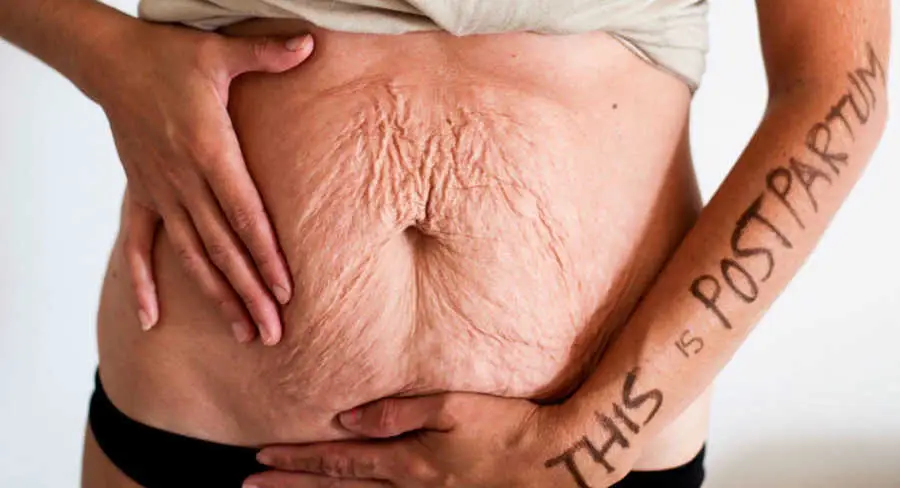
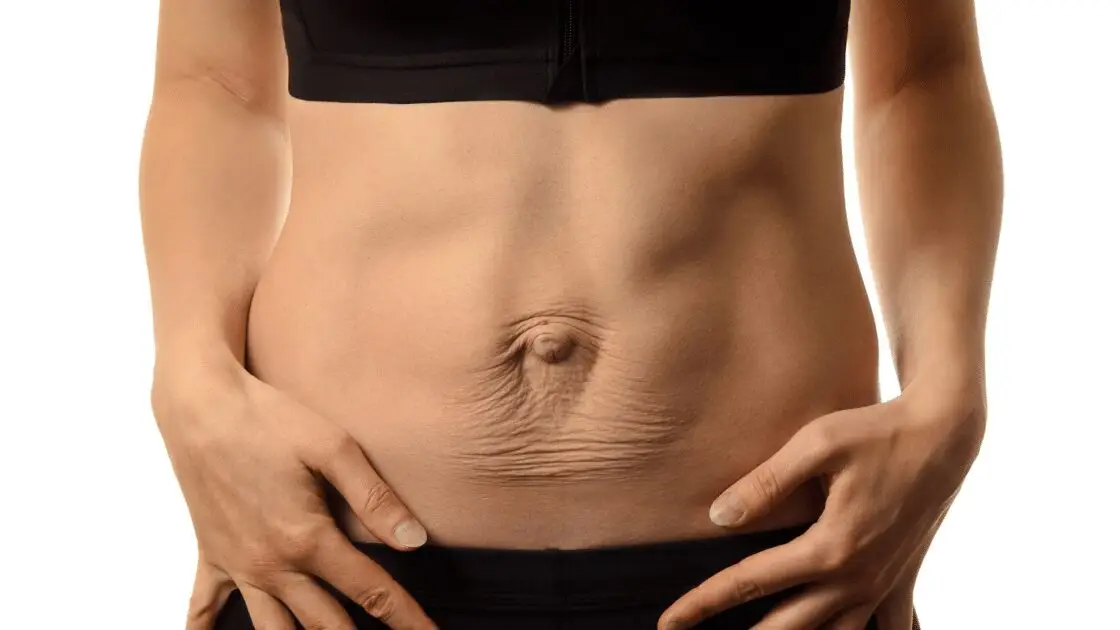
- Will core training increase risks of diastasis recti (abdominal muscles separation)
Having a strong core is essential during pregnancy. It not only helps reduce back pain by reinforcing good posture and supporting the spine as the baby grows but also prepares the body for labor. The best exercises for strengthening the core should focus on the deepest core muscles, including the transverse abdominis and pelvic floor. Pilates is a great way to target these muscles more effectively. Building a solid foundation through exercising will also help with faster recovery after labor.
- Does exercise induce miscarriage?
Concerns about miscarriage related to exercise during pregnancy appear to be unfounded, as research suggests that spontaneous abortion is not associated with the level of physical activity. A randomized controlled study comparing resistance training to a control group found no link between exercise and premature delivery, and exercise did not have any negative effects on gestational age.
Schoenfeld, B. J. (2011). Resistance training during Pregnancy: Safe and effective program design. Strength and Conditioning Journal, 33(5), 67 to 75. https://doi.org/10.1519/ssc.0b013e31822ec2d8
Holmen, M. M. Giskeødegård, G. F. & Moholdt, T. (2023). High-intensity exercise increases breast milk adiponectin concentrations: a randomised cross-over study. Frontiers in Nutrition, 10. https://doi.org/10.3389/fnut.2023.1275508
Pires, T. Pires, P. Costa, R. & Viana, R. (2020). Effects of pelvic floor muscle training in pregnant women. Porto Biomedical Journal, 5(5), e077. https://doi.org/10.1097/j.pbj.0000000000000077
Prevett, C. Kimber, M. L. Forner, L. De Vivo, M. & Davenport, M. H. (2022). Impact of heavy resistance training on pregnancy and postpartum health outcomes. International Urogynecology Journal, 34(2), 405 to 411. https://doi.org/10.1007/s00192-022-05393-1
Need help with this? Our pregnancy care team at Total Health by Hong Kong Sports Clinic can assess you and start treatment in your first session, in Central or Kai Tak. Message us on WhatsApp to book.