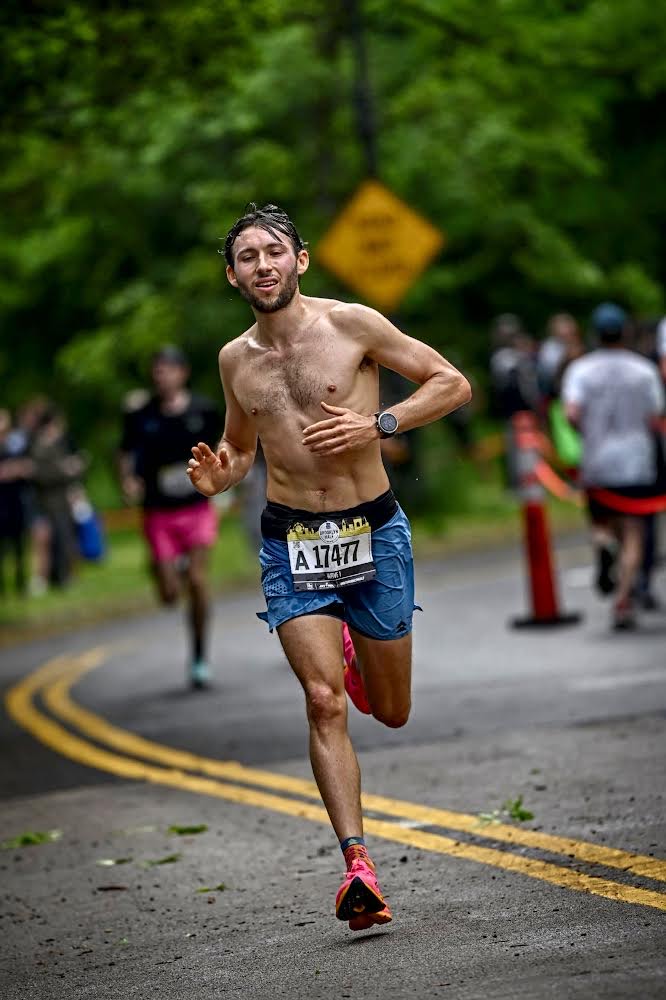
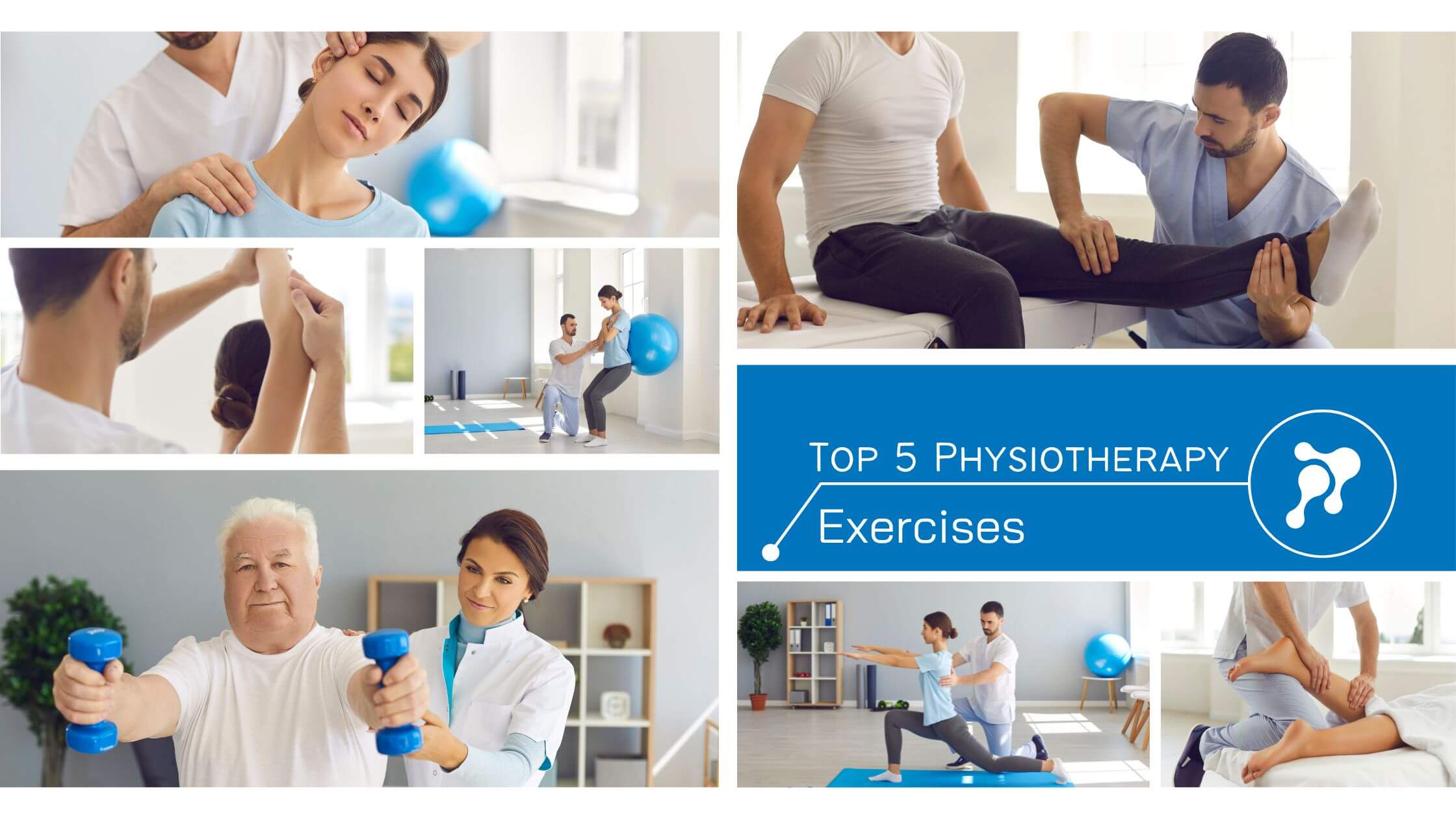
Athletes are always prone to injuries. Whether it be during training or the actual performance, injuries can happen. And when these injuries happen, it becomes really crucial to recover quickly. Although there are techniques to prevent injuries or reduce the risk of injuries, we cannot completely discount them. Therefore, having a clear recovery plan is really crucial. In this blog post, we’ll discuss some of the top physiotherapy exercises athletes can incorporate or train themselves on for better performance & recovery.
Understanding the Role of Physiotherapy in Sports Performance
In order to understand the impact, we first need to understand the role of physiotherapy in sports & overall. It involves assessing, diagnosing, and treating physical impairments and functional limitations. In the context of sports however, physiotherapy focuses on helping athletes prevent injuries, recover from them, and enhance their physical capabilities to improve sports performance.
Benefits for Athletes
Incorporating physio exercises into your routine can lead to several benefits:
- Improved Flexibility: Enhanced range of motion can improve overall athletic performance.
- Increased Strength: Strengthening muscles helps in injury prevention and better performance.
- Enhanced Balance and Coordination: Better balance reduces the risk of falls and injuries.
- Faster Recovery: Effective rehabilitation accelerates recovery from injuries.
Top Physiotherapy Exercises for Athletes
1. Dynamic Stretching
During sports activity your muscle will likely move freely & in full motion. Such a motion cannot be duplicated in daily routine. Therefore, modern day athletes prefer dynamic stretching instead of static stretching. Dynamic stretching involves moving parts of your body through their full range of motion. Unlike static stretching, dynamic stretching keeps the muscles active and prepared for the demands of sports.
Example Exercises
- Leg Swings: Stand on one leg and swing the other leg forward and backward, then side to side. This exercise helps in increasing hip flexibility and warming up the lower body.
- Arm Circles: Extend your arms out to the sides and make small circles, gradually increasing the size. This exercise warms up the shoulders and arms.
Benefits
Dynamic stretching enhances muscle elasticity, improves blood flow, and prepares the body for physical activity, reducing the risk of injury.
2. Strength Training Exercises
Another important exercise for preventing injury is strength training. It is crucial for athletes as it helps in building muscle strength, endurance, and power. Stronger muscles support joints better and help in preventing injuries.
Example Exercises
- Squats: Stand with feet shoulder-width apart and lower your body by bending your knees, keeping your back straight. This exercise strengthens the quads, hamstrings, and glutes.
- Lunges: Step forward with one leg and lower your hips until both knees are bent at a 90-degree angle. This exercise improves leg strength and stability.
- Deadlifts: Lift a barbell from the ground to thigh level while keeping your back straight. This exercise targets the hamstrings, glutes, and lower back.
Benefits
Strength training enhances muscle power, supports joints, and improves overall athletic performance.
3. Balance and Stability Exercises
Balance and stability exercises help in improving coordination and preventing injuries by strengthening the core and stabilizing muscles.
Example Exercises
- Single-Leg Stands: Stand on one leg and hold the position for 30 seconds. This exercise improves balance and strengthens the stabilizing muscles.
- Bosu Ball Exercises: Perform various exercises, such as squats or lunges, on a Bosu ball to challenge your balance and stability.
Benefits
Improved balance and stability reduce the risk of falls and injuries, and enhance overall coordination.
4. Core Strengthening Exercises
A strong core is essential for athletes as it supports the spine and improves overall body stability and power.
Example Exercises
- Planks: Hold a push-up position with your body in a straight line from head to heels. This exercise strengthens the entire core.
- Russian Twists: Sit on the ground with your knees bent and rotate your torso from side to side while holding a weight. This exercise targets the oblique muscles.
- Bicycle Crunches: Lie on your back and perform a pedaling motion with your legs while alternating elbow-to-knee touches. This exercise engages the entire abdominal area.
Benefits
Core strengthening exercises enhance stability, support better posture, and improve overall athletic performance.
5. Flexibility and Mobility Exercises
Flexibility and mobility exercises help in maintaining an adequate range of motion and prevent stiffness, which is crucial for athletic performance.
Example Exercises
- Foam Rolling: Use a foam roller to massage and release tension in muscles. This technique helps in improving muscle flexibility and reducing soreness.
- Hamstring Stretches: Sit on the ground with one leg extended and reach toward your toes. This exercise improves flexibility in the hamstrings.
Benefits
Increased flexibility and mobility enhance overall movement quality and reduce the risk of injuries.
Precautions and Tips for Safe Practice
Warm-Up and Cool-Down
Always warm up before starting your exercises and cool down afterward to prepare your muscles for activity and aid in recovery.
Proper Form
Maintaining correct form during exercises is crucial to prevent injuries and achieve the best results. If you’re unsure about your form, seek guidance from a physiotherapist or a qualified trainer.
Consultation with a Physiotherapist
If you’re recovering from an injury or have specific concerns, consult with a physiotherapist in Hong Kong. They can provide personalized recommendations and adjustments based on your needs.
Conclusion
Incorporating physiotherapy exercises into your training routine can lead to improved performance, reduced injury risk, and faster recovery.
Start integrating these exercises today and consult with a personal trainer in Hong Kong to tailor a program that meets your specific needs.
Need help with this? Our sports performance coaching team at Total Health by Hong Kong Sports Clinic can assess you and start treatment in your first session at our Central clinic. Message us on WhatsApp to book.